Nigeria orders end to open defecation
By the AFREEQUE newsroom, based on Vanguard and Tribune Online
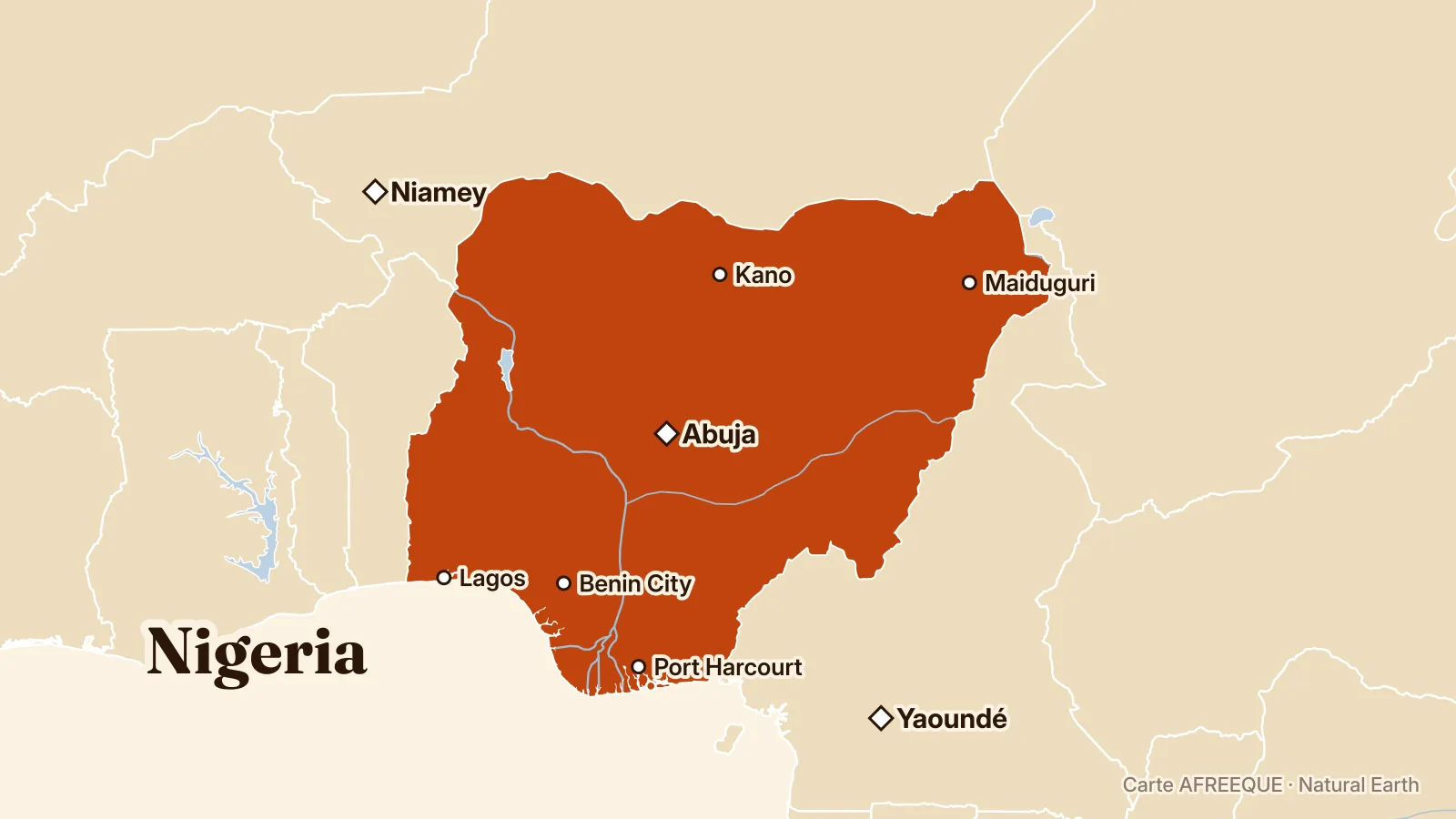
The Nigerian government has taken a new step towards eliminating open defecation by 2030, with a presidential order presented in Abuja on 19 November. Vice-President Kashim Shettima recalled that 185 of the 774 local government areas have already achieved the required status, while Jigawa and Katsina remain the only two certified states, according to Vanguard.
Kashim Shettima has called on Nigerian states that have not yet achieved the goal of eliminating open defecation to set monthly and quarterly deadlines and make their results public. The vice-president, represented by Akubo Adegbe, presidential adviser responsible for monitoring and coordination, was speaking at the seventh anniversary of the Clean Nigeria campaign and World Toilet Day on 19 November in Abuja, according to Vanguard.
Shettima stressed the need to preserve the progress made in communities that have already been certified. He believes that achieving the national target requires sustainable funding, stronger institutions, reliable data and lasting changes in behaviour. He also urged states that are still lagging behind to draw inspiration from Jigawa and Katsina, which have obtained certification covering their entire territories.
Nigeria’s Minister of Water Resources and Sanitation, Joseph Utsev, presented the revised Clean Nigeria 2025-2030 strategy. It provides in particular for increased public funding, partnerships, monitoring of results and the provision of sanitation services. A digital real-time monitoring system is also intended to improve data collection and performance monitoring.
Emily Rand, head of UNICEF’s Water, Sanitation and Hygiene programme, called on states to adopt costed plans and allocate specific budgets for sanitation. She also advocated facilities accessible to poor households and vulnerable populations. Shettima further highlighted the particular consequences of the lack of safe toilets for the health, safety, privacy and education of women and girls.