Philosopher Nick Bostrom envisages 1,400-year lifespans with AI
By the AFREEQUE newsroom, based on Zambian Observer
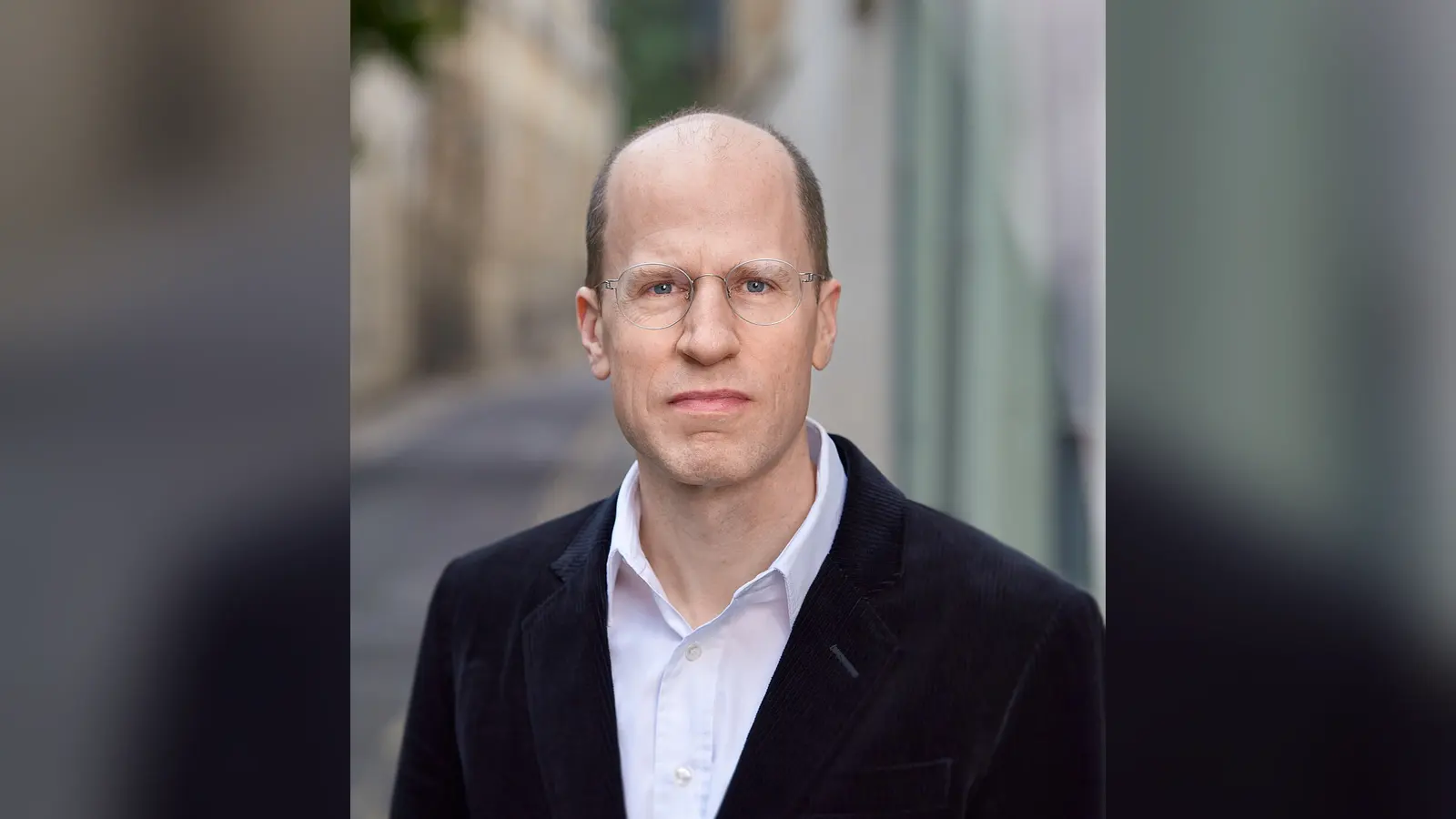
Swedish philosopher Nick Bostrom believes advances in artificial intelligence and biomedicine could one day extend human lifespans to 1,200 or 1,400 years. He put forward this hypothesis in a programme broadcast on 19 November, according to the Zambian Observer.
Swedish philosopher Nick Bostrom believes advances in artificial intelligence could help extend human life expectancy to between 1,200 and 1,400 years, thanks to major breakthroughs in biomedicine and research into ageing. He put forward this hypothesis in an episode of the A16z programme published on Thursday, 19 November 2026, according to the Zambian Observer.
Nick Bostrom believes that eliminating biological ageing could already make lifespans of several centuries possible. He also believes medical advances could reduce other causes of death, particularly accidents. A former professor at the University of Oxford, he founded the Future of Humanity Institute in 2005, a research centre devoted to humanity’s prospects and emerging technologies, which closed in 2024.
The philosopher also discussed the risks associated with the accelerating development of artificial intelligence. He acknowledges that a slower pace could give researchers more time to work on aligning advanced systems with human interests and limiting existential risks. However, this caution must be weighed against the consequences of technological delay. Bostrom points out that every additional year of waiting also corresponds to millions of human deaths.
His remarks come amid an international debate on artificial intelligence safety. Several researchers are calling for its development to be slowed down in order to strengthen control mechanisms and prevent risks associated with systems that have become difficult to manage.