Netanyahu’s political future at stake in 27 October Israeli election
By the AFREEQUE newsroom, based on Expresso das Ilhas
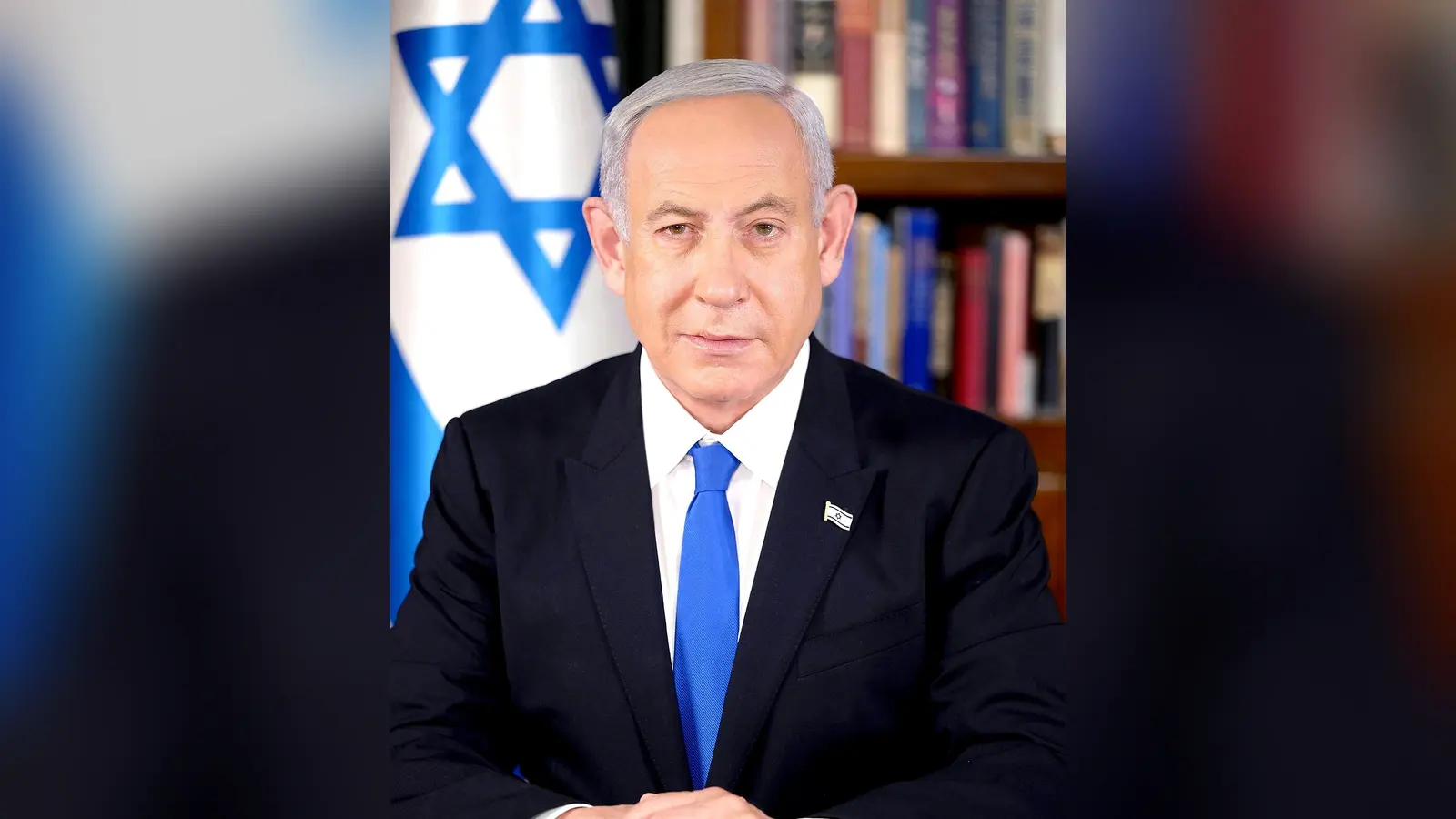
Benjamin Netanyahu’s political future is at stake in Israel’s 27 October general election, after 18 years in power and amid the Gaza war and legal proceedings. Polls give neither the government bloc nor the opposition a majority, pointing to difficult post-election negotiations, Expresso das Ilhas reports.
Benjamin Netanyahu is fighting for his political future in Israel’s 27 October general election, after nearly 18 years in power across several periods. The vote will assess his handling of Israel since the Hamas attacks of 7 October 2023, while he faces several legal cases, Expresso das Ilhas reports.
Polls cited by Expresso das Ilhas show neither the pro-Netanyahu bloc nor the opposition winning a majority. The result could therefore lead to tense negotiations to form a government, an exercise in which the leader of the right-wing Likud party has already shown his skill by forming an alliance with the far right and ultra-Orthodox parties.
The campaign has also been marked by reports that the United Arab Emirates and Egyptian intelligence services had warned him that Hamas attacks were imminent. Netanyahu denies receiving the warnings. He has been on trial since 2020 for corruption, fraud and breach of trust in three cases involving, among other things, exchanges of political favours and favourable media coverage. People close to him are also implicated in “Qatargate”, corruption allegations involving two members of his office and Qatar.
After returning to power in 2022, Netanyahu tried to pass judicial reform, prompting mass protests and accusations that he was seeking to weaken judicial independence. The initiative was shelved after the 7 October 2023 attacks. The 27 October election follows campaign positions previously reported, including Donald Trump’s prediction of a landslide Netanyahu victory in the Israeli election.
Summary produced with the help of artificial intelligence tools, under AFREEQUE’s editorial responsibility.