Maternal deaths fall 60% in Nigeria
By the AFREEQUE newsroom, based on Leadership
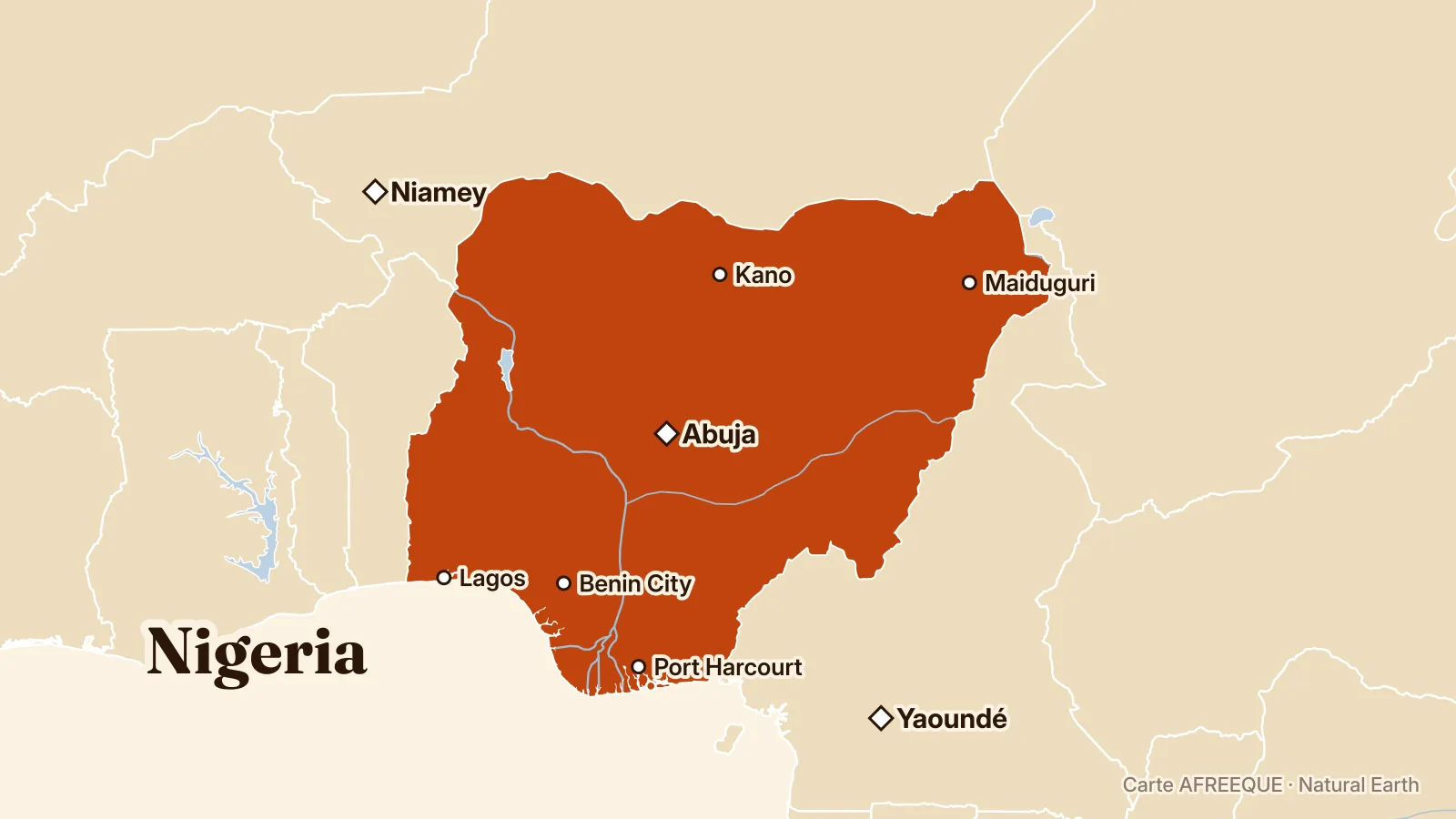
Maternal death rates at facilities supported by the Basic Health Care Provision Fund fell by 60%, exceeding the initial 30% target. The result, presented in Abuja at the 2026 annual sector review, came with improvements in 12 of 13 indicators, according to the Nigerian government.
The case fatality rate for maternal deaths at health facilities supported by the Basic Health Care Provision Fund (BHCPF), Nigeria’s primary healthcare financing mechanism, fell by 60%, exceeding the initial target of 30%, according to Muntaqa Umar-Sadiq, national coordinator of the Sector-Wide Approach health coordination office. He presented the results on Tuesday in Abuja at the 2026 joint annual review of the health sector.
Twelve of the 13 indicators monitored in family planning, maternal health and child health improved, with most recording double-digit gains, according to Umar-Sadiq. Progress in skilled birth attendance was 11 times faster during the 2023-2026 reform period than in the previous five years, while postnatal checks improved seven times faster and facility-based deliveries three times faster.
The coordinating minister of Health and Social Welfare, Muhammad Pate, said the government had paid 249 billion naira to the states through the four BHCPF mechanisms between 2023 and the third quarter of 2026, compared with 74 billion naira paid directly to primary healthcare facilities over the previous ten years. The reforms also led to the rehabilitation of about 3,500 primary healthcare centres, while another 900 are under construction.
Nearly 20,000 skilled birth attendants were recruited in 22 states and 4,747 community health workers in ten states, according to Pate. Facility-based deliveries supported by the BHCPF increased from 4.8 million to 7.9 million during the period under review.