Malawi’s Parliament considers inquiry into seized assets
By the AFREEQUE newsroom, based on Nyasa Times
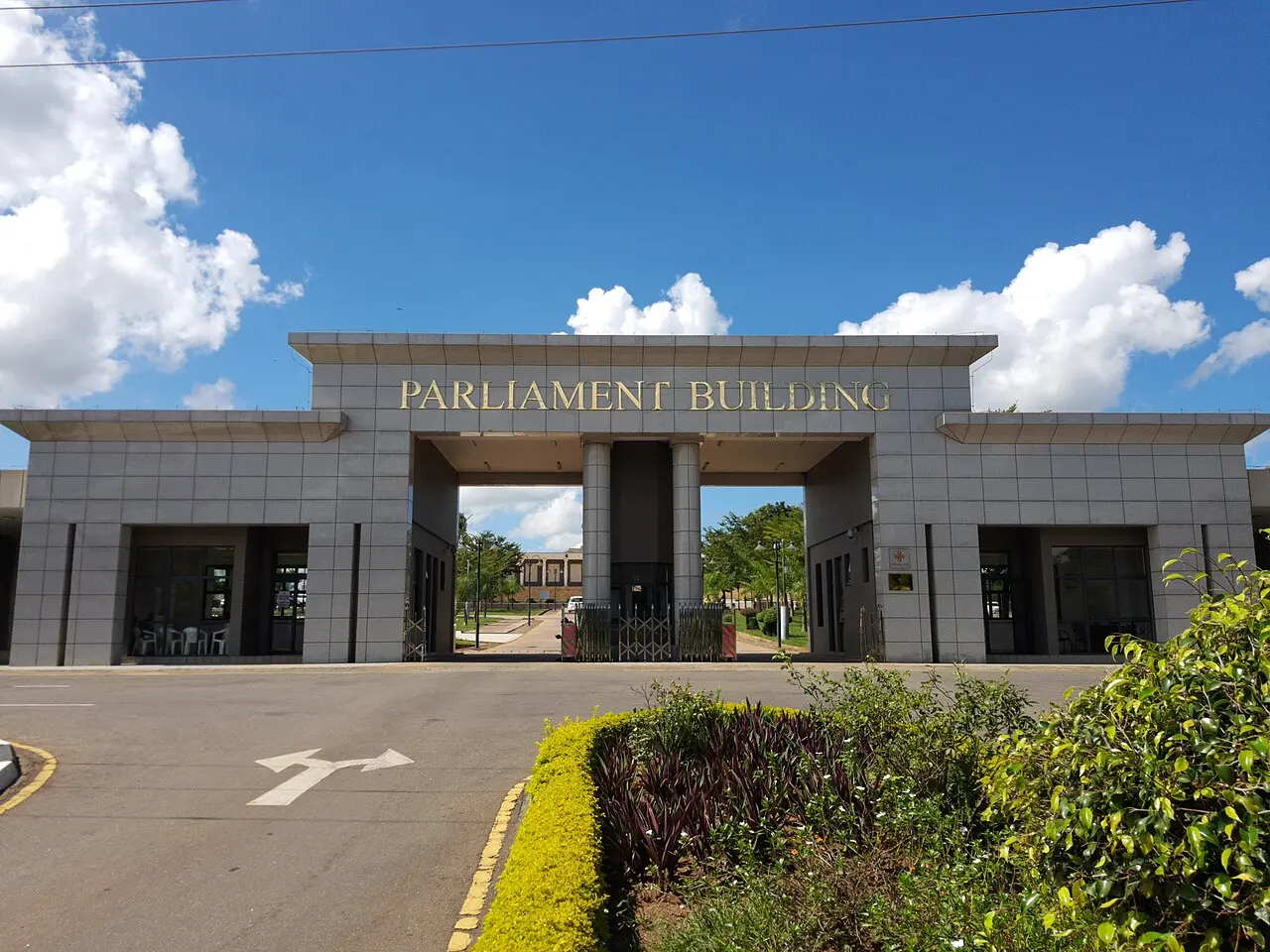
A house worth 690 million kwacha seized from former budget director Paul Mphwiyo has been deteriorating since its confiscation in March 2024 in Area 43, Malawi. According to Nyasa Times, Parliament’s Legal Affairs Committee is considering an inquiry into the management and disposal of seized assets to determine whether the state has lost money.
The Legal Affairs Committee of the Malawian Parliament is considering holding a public inquiry into the maintenance and resale of assets seized by the state. Its chairperson, Gilbert Khonyongwa, wants in particular to examine disposal delays, the condition of recovered properties and potential financial losses for the public authorities, Nyasa Times reports. The Financial Intelligence Authority, the Anti-Corruption Bureau and the Director of Public Prosecutions could be involved in the proceedings.
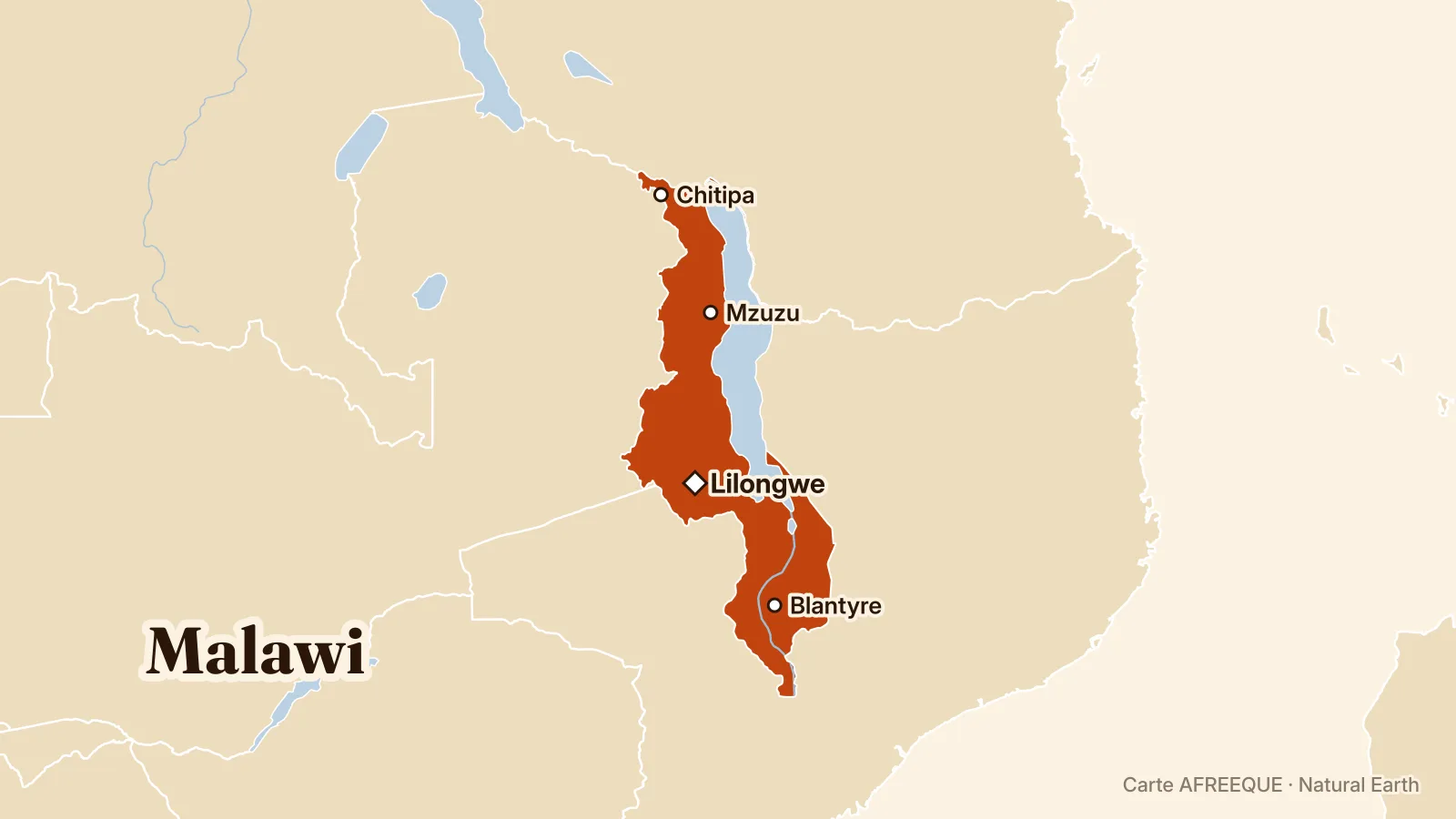
The initiative follows, in particular, the deterioration of a house valued at 690 million kwacha belonging to former budget director Paul Mphwiyo. Located in the Area 43 neighbourhood of Lilongwe, the property was confiscated by the state in March 2024. It has remained in a severely dilapidated condition ever since. Gilbert Khonyongwa believes that the lack of maintenance risks reducing the value of the assets and increasing maintenance costs borne by taxpayers.
The Ministry of Justice and Constitutional Affairs says the Director of Public Prosecutions must bring together representatives of law enforcement agencies and the Ministry of Finance to examine the arrangements for disposing of the assets. Joyful Paliani, the ministry’s deputy head of communications, says the process concerning Paul Mphwiyo’s house is under way and should be completed in August. The authorities are considering selling the properties or allocating them to public administrations, with a target completion date of January 2027.
Desmond Namangale, managing director of real estate firm Knight Frank, believes that vacant buildings lose value through lack of maintenance. He recommends a legal framework imposing specific deadlines for their sale or allowing the Ministry of Lands to ensure their upkeep. Willy Kambwandira, of the Centre for Social Accountability and Transparency, also criticises the management of recovered assets. In his view, their deterioration undermines the tangible results of anti-corruption proceedings and risks discouraging investigators who helped secure their confiscation.