Malawi economists call for cuts to non-essential spending
By the AFREEQUE newsroom, based on Mwnation

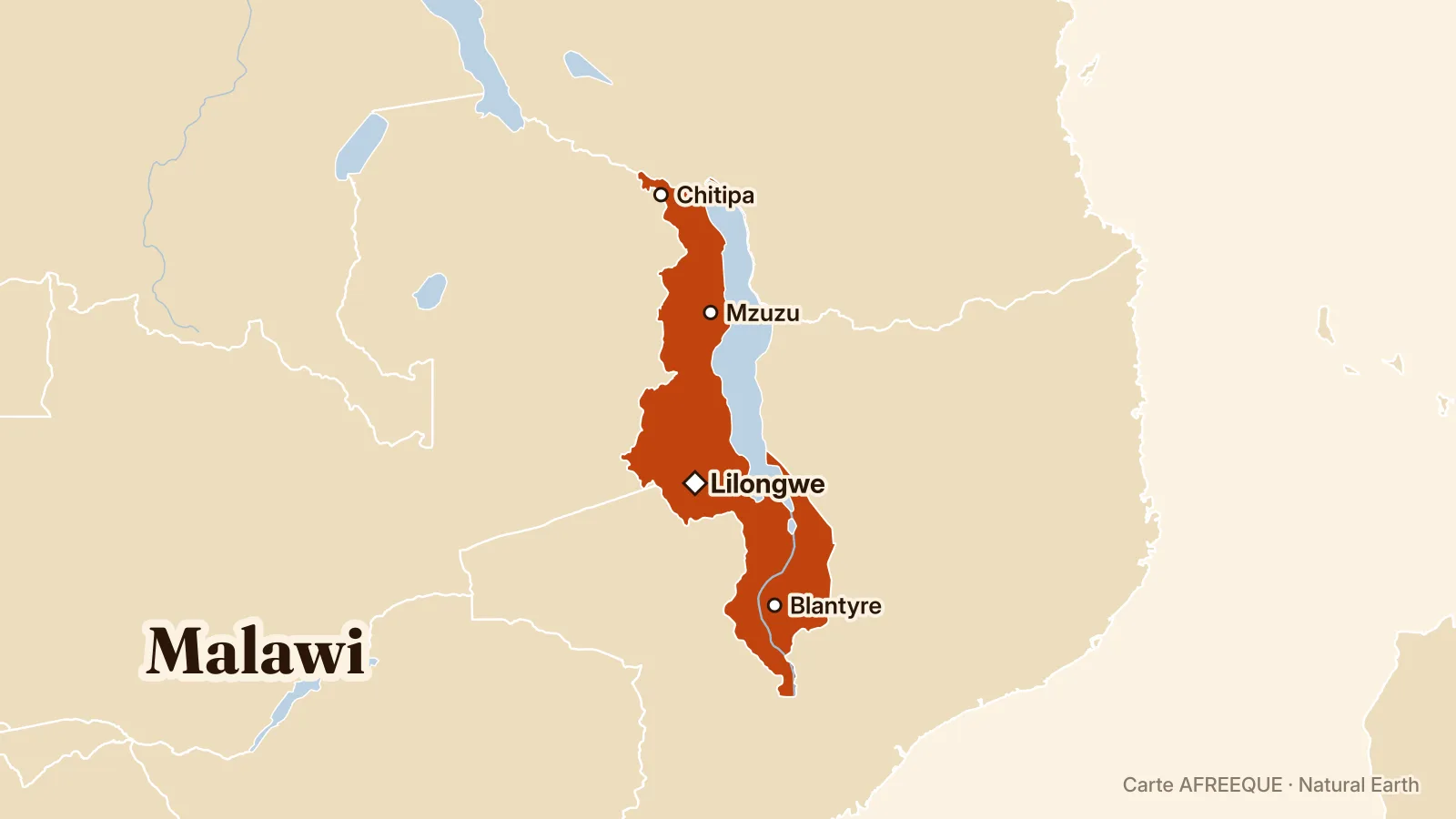
Economists and social protection advocates in Malawi recommend reducing non-essential spending and improving revenue collection to fund cash transfers and school meal programmes. The recommendations come ahead of the 2026-2027 mid-year budget review, as the IMF estimates that targeted transfers cost three to 22 times less than price-control measures.
Economists and social protection advocates in Malawi are urging the government to cut non-essential spending and improve domestic revenue collection to fund social programmes, Mwnation reports.
Their recommendations come as the cost of living rises and development partner funding remains uncertain. The government is also preparing its 2026-2027 mid-year budget review, amid growing pressure on public finances.
The International Monetary Fund estimates that targeted cash transfers protect vulnerable households from cost-of-living shocks at lower cost than general subsidies.
The rest of this article is for subscribers.
Try AFREEQUE!
12,000+ readers already get the AFREEQUE newsletter
- Every article in full: all the news from Africa, summarised and easy to read
- A local source in 52 of the continent’s 54 countries
- 100% independent: no advertising, no shareholders
- The satisfaction of supporting an independent African news outlet that serves its readers
Discovery offer
€1
for 15 days
then €9.99/month
Try it for €1No commitment · cancel in one click
New subscribers only
🔒 Secure payment with:

Already a subscriber? Log in
Summary produced with the help of artificial intelligence tools, under AFREEQUE’s editorial responsibility.