


























ITLOS rejects Argentina’s appeal against Falklands oil project
By the AFREEQUE newsroom, based on BFMTV, Al Jazeera, TimesLIVE and Business Day (South Africa)
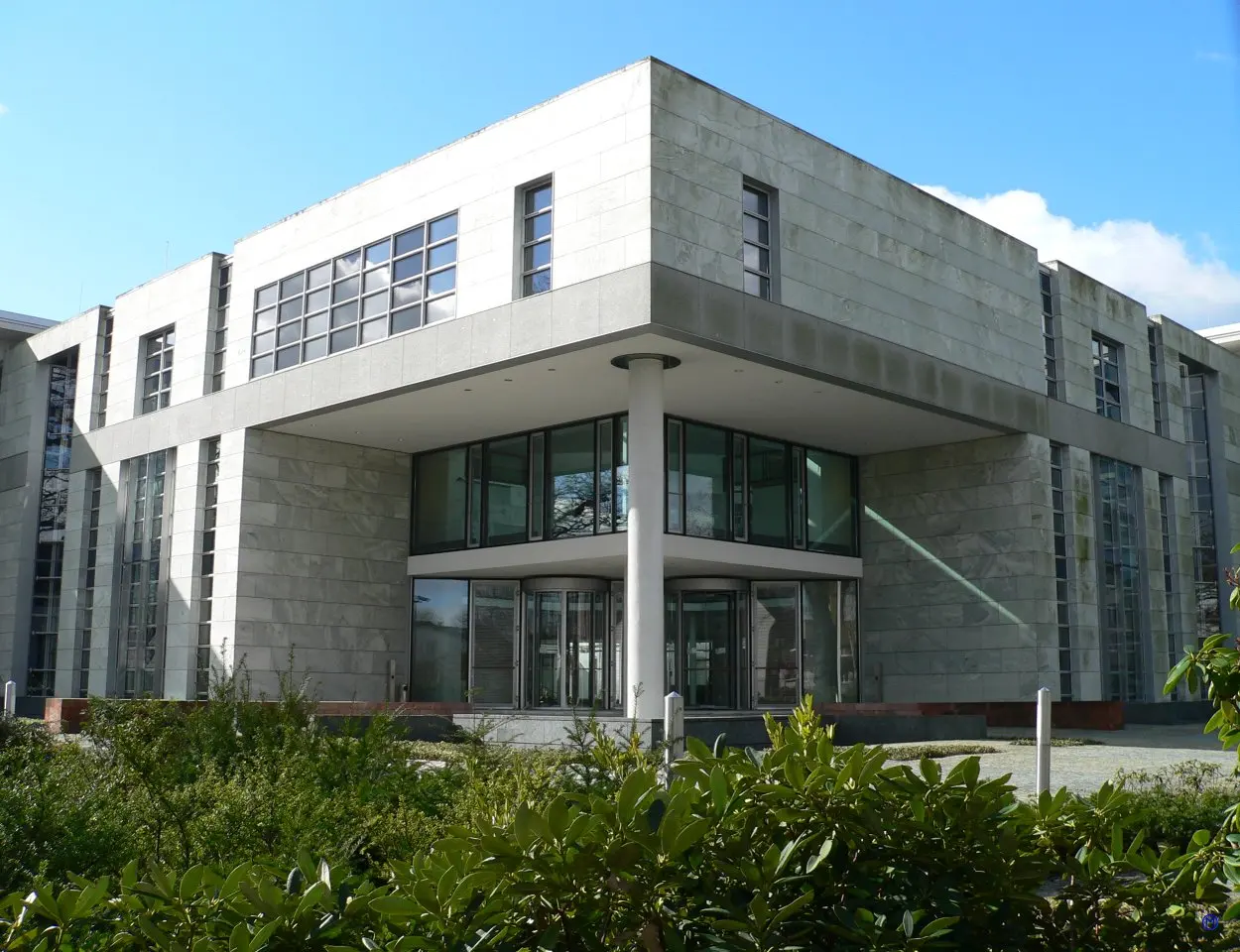
The International Tribunal for the Law of the Sea (ITLOS) has rejected, by 18 votes to three, Argentina’s request to suspend the British Sea Lion oil project off the Falkland Islands, according to BFMTV. The decision does not settle the sovereignty dispute over the archipelago. Buenos Aires intends to continue its diplomatic and legal efforts against resource exploitation in the contested area.
Argentina had also asked the United Kingdom not to issue any new permits to exploit maritime resources around the archipelago during the arbitration proceedings initiated in September. Buenos Aires believes that British permits breach international obligations relating to the territorial dispute, particularly under the United Nations Convention on the Law of the Sea.
The Sea Lion field is located approximately 220 kilometres north of the islands. ITLOS President Maurice Kamga recalled that the rejection of provisional measures did not prejudge the court’s jurisdiction to examine the substantive dispute. London said that initial drilling would not take place before March 2027 and that production would begin in March 2028.
Argentine President Javier Milei said that his country would respect the decision while maintaining its territorial claims. He also said that the ruling did not bring Argentina’s efforts to an end. British ministers Ed Miliband and Ellie Reeves, for their part, called on Buenos Aires to respect the islanders' right to determine their future and to stop applying economic pressure.
The dispute intensified following a legislative initiative by the Argentine government targeting companies involved in oil exploration around the archipelago. US President Donald Trump had previously raised the possibility of revising Washington’s traditionally neutral position on the islands' sovereignty. Halliburton announced its withdrawal from the project, while Rockhopper Exploration and Navitas Petroleum are maintaining their involvement. The archipelago has approximately 3,660 inhabitants, most of whom are of British origin.