Iranian economy expected to contract further under US blockade
By the AFREEQUE newsroom, based on Al Jazeera
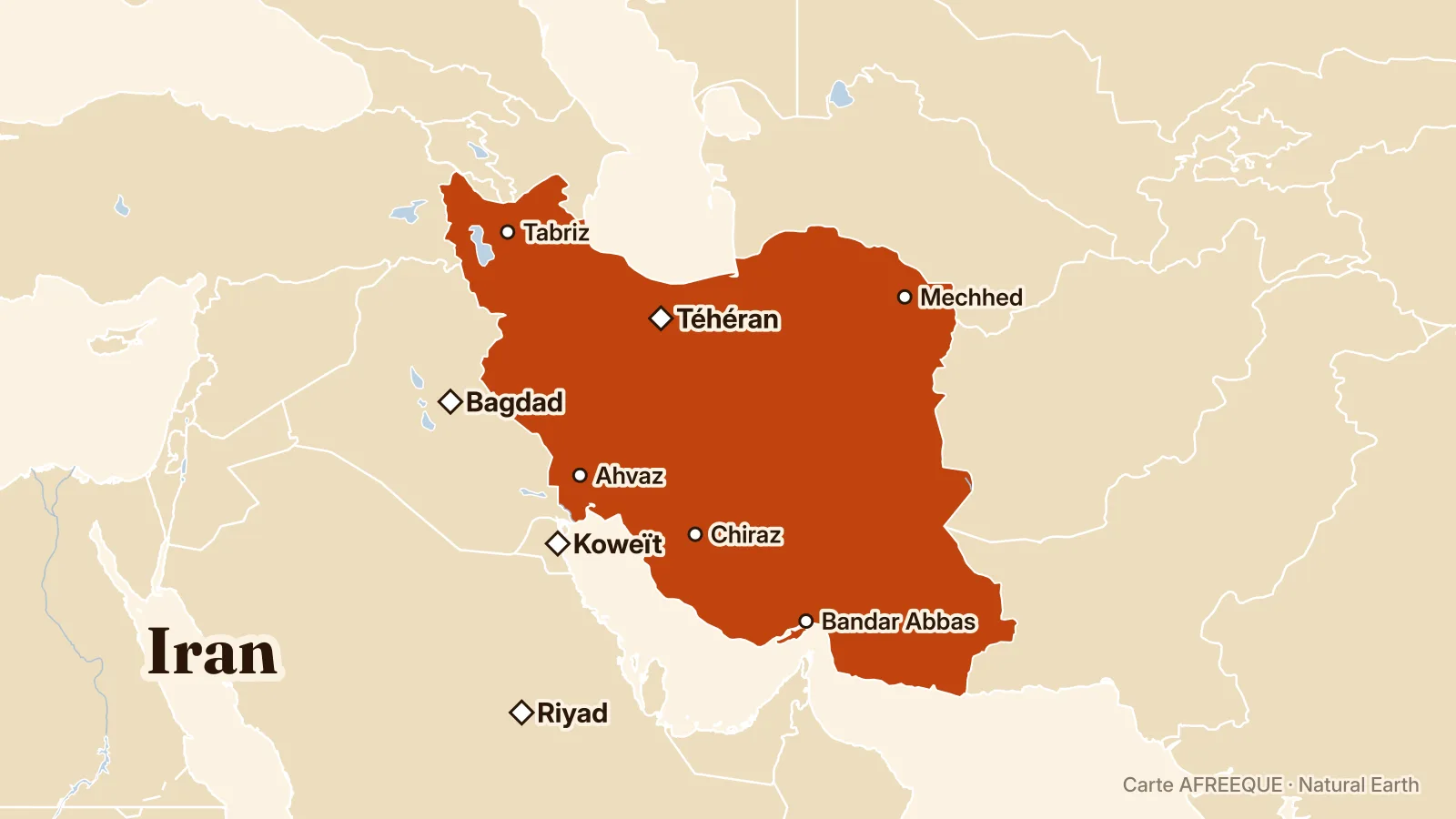
The US blockade of Iranian ports is expected to further weaken the country’s economy, to the detriment of tens of millions of Iranians. According to experts quoted by Al Jazeera, it is still too early to say whether the embargo will bring down the government or force Tehran to yield to Washington’s demands.
The US naval blockade targeting Iranian ports could deepen the contraction of Iran’s economy and worsen the financial difficulties facing its population. Iranian economist Peyman Molavi estimates that annual growth in the money supply could reach 55 to 60%, compared with nearly 51% currently, if the restrictions continue, according to Al Jazeera.
This economic pressure is part of the US campaign known as maximum pressure, which combines maritime restrictions, disruptions to land trade and sanctions. Washington is seeking, in particular, to compel Tehran to reopen the Strait of Hormuz and limit its nuclear programme. Iranian authorities say they can withstand these measures and are maintaining their own demands.
Peyman Molavi warns that accelerating inflation would affect several markets, including currencies, gold, shares and property. Essential goods, energy resources, agricultural products, metals and industrial goods would also be affected. The economist points out that difficulties exporting oil, linked to US restrictions, are worsening pressure on the country’s foreign currency reserves.
The United States has also deployed a third aircraft carrier to the region, amid the risk of military escalation. These pressures follow US-Israeli strikes against Iran, launched on 28 February, which killed Iran’s Supreme Leader Ali Khamenei. Iranian authorities responded with attacks on US interests in the region, including radar installations in Bahrain. The US naval blockade against Iran is one of the main instruments of Washington’s strategy.