Ghanaian agricultural economists call for more investment
By the AFREEQUE newsroom, based on Ghanaian Times
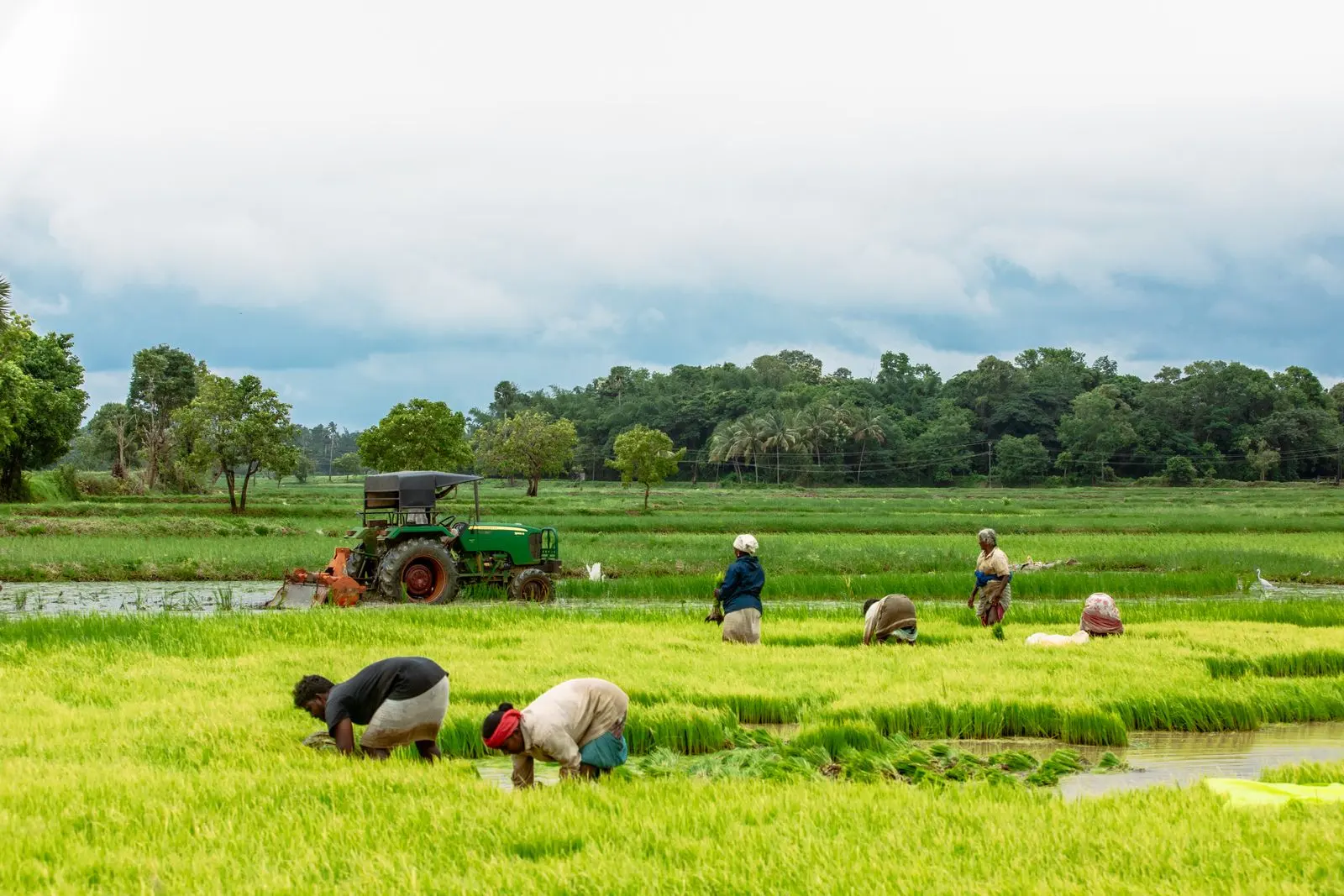 Illustrative image · Renjith Tomy Pkm · Pexels · Licence Pexels
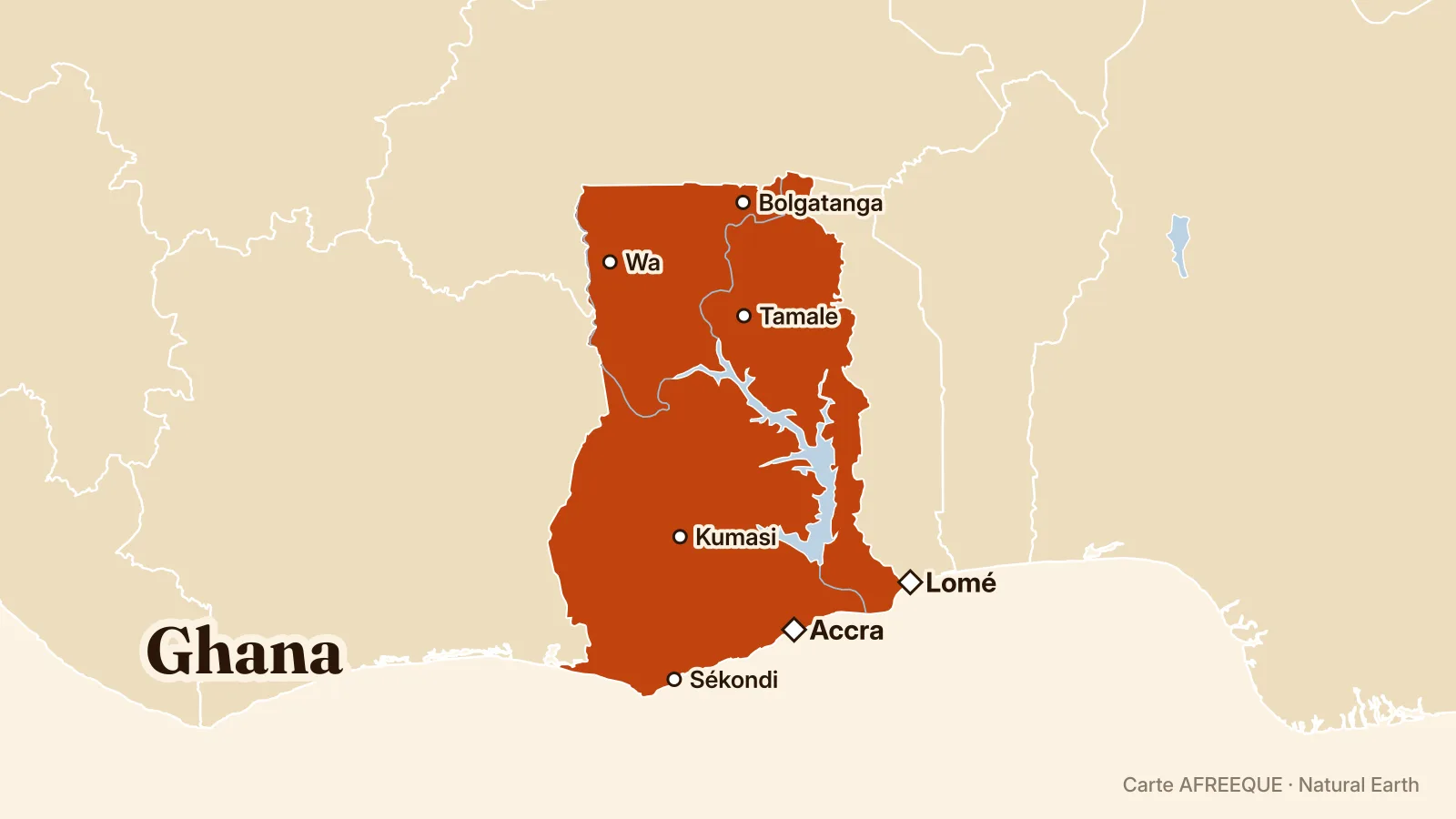
The Ghana Association of Agricultural Economists (GAAE) is calling for stronger cooperation between public authorities, researchers and private operators to transform the country’s agri-food systems. Its president John K. M. Kuwornu said the sector grew by 6.8% in 2025 but remains constrained by low investment and limited access to technology, according to the Ghanaian Times.
The Ghana Association of Agricultural Economists (GAAE) is calling for stronger cooperation between public authorities, researchers, development partners and agribusinesses to improve the performance of the agricultural sector. Its president, Professor John K. M. Kuwornu, made the call at the opening of the organisation’s ninth annual conference, held at the University of Ghana on the inclusive transformation of agri-food systems and their contribution to sustainable development.
Professor Kuwornu highlighted several persistent challenges, including low agricultural productivity, the effects of climate change, insufficient investment, post-harvest losses and limited access to improved technologies. He also cited the weight of crop production in farming systems, the ageing farming population and the low level of sector financing.
The GAAE president recalled that Ghanaian agriculture had recorded real growth of 6.8% and that food inflation stood at 4.9% in December 2025. He nevertheless believes these results do not resolve the structural difficulties limiting the sector’s potential.
The Feed Ghana programme, the Nkoko Nkitikiti initiative and the 24-hour economy project are among measures that could improve the living conditions of farming households, according to John K. M. Kuwornu. Their effectiveness will depend in particular on their implementation, research support and the participation of the various stakeholders. The GAAE said it was ready to work with Ghana’s Ministry of Food and Agriculture to support agricultural policy development, extension services and decision-making based on scientific data.
Held since 2017, the annual conference brings together students, researchers, academics, public officials and development partners to share research findings and discuss agricultural policies.