Five European countries withdraw from Ottawa landmine treaty
By the AFREEQUE newsroom, based on LANA, Al Jazeera and Human Rights Watch
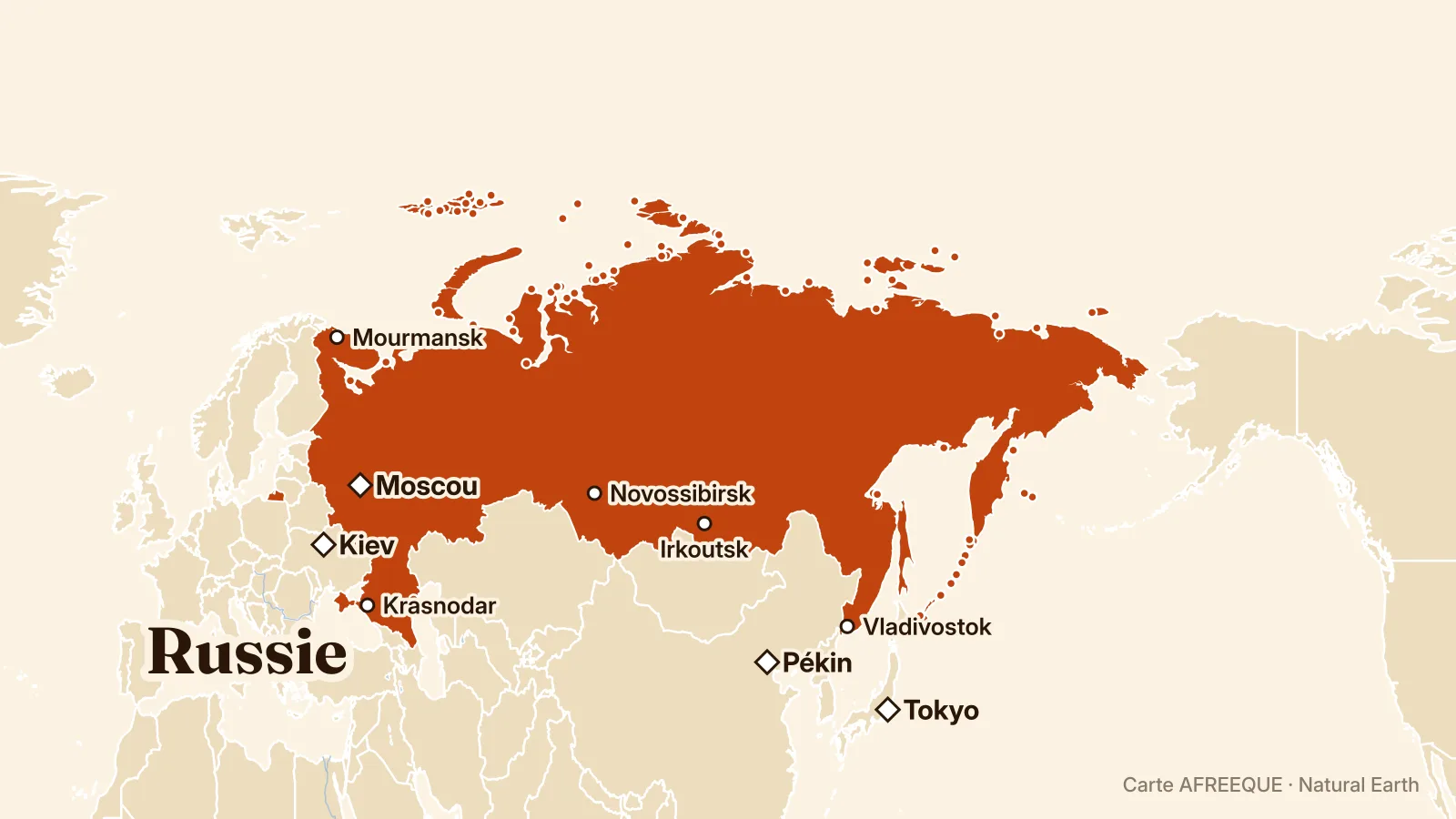
Estonia, Finland, Latvia, Lithuania and Poland withdrew from the Ottawa Treaty banning anti-personnel mines in 2025 and 2026, citing security concerns related to Russia, according to Al Jazeera. Meanwhile, mines and unexploded ordnance killed or injured at least 6,929 people in 2025, 84% of them civilians. The treaty now has 162 States Parties.
Three countries joined the treaty during the period under review: Lebanon, the Marshall Islands and Tonga. The withdrawals by the five European countries therefore bring the number of states bound by this international agreement down to 162, according to Human Rights Watch, which contributed to drafting the Landmine Monitor 2026 report.
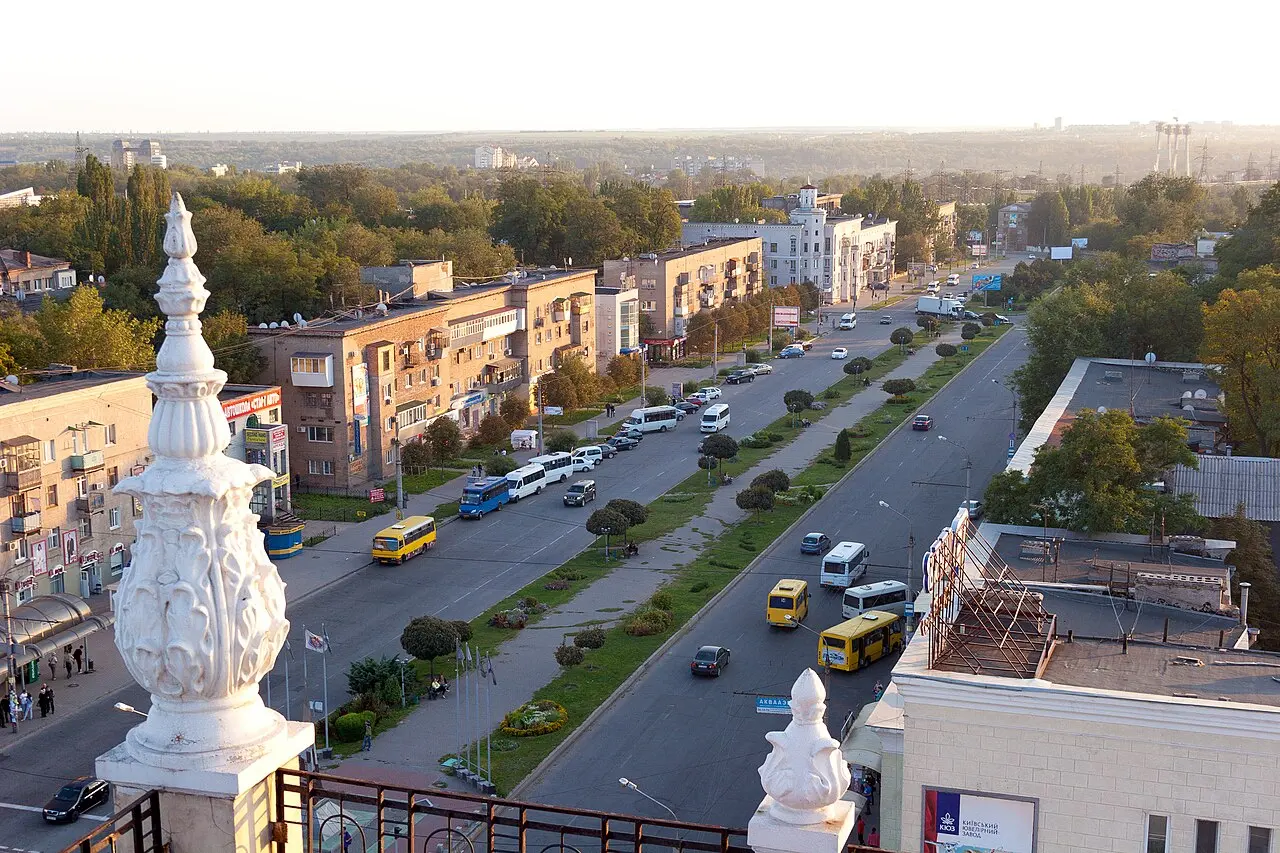
Ukraine announced on 18 July 2025 that it was suspending the implementation of the treaty during its armed conflict with Russia. However, this measure does not release it from its treaty obligations, Human Rights Watch points out, describing the suspension as contrary to the treaty. The organisation also says that the Ukrainian army has acquired, manufactured and used new anti-personnel mines, including models that can be dropped by drone.
Russia, Iran, Myanmar and North Korea, which are not parties to the treaty, have also used these weapons. Their use has also been reported in border clashes between Cambodia and Thailand, as well as between Bangladesh and Myanmar. Non-state armed groups have also resorted to them, notably in Colombia, India, Myanmar, Pakistan and Sudan.