
























EU explains withdrawal from Senegalese fishing agreement
By the AFREEQUE newsroom, based on Le Soleil, Senego and SeneNews
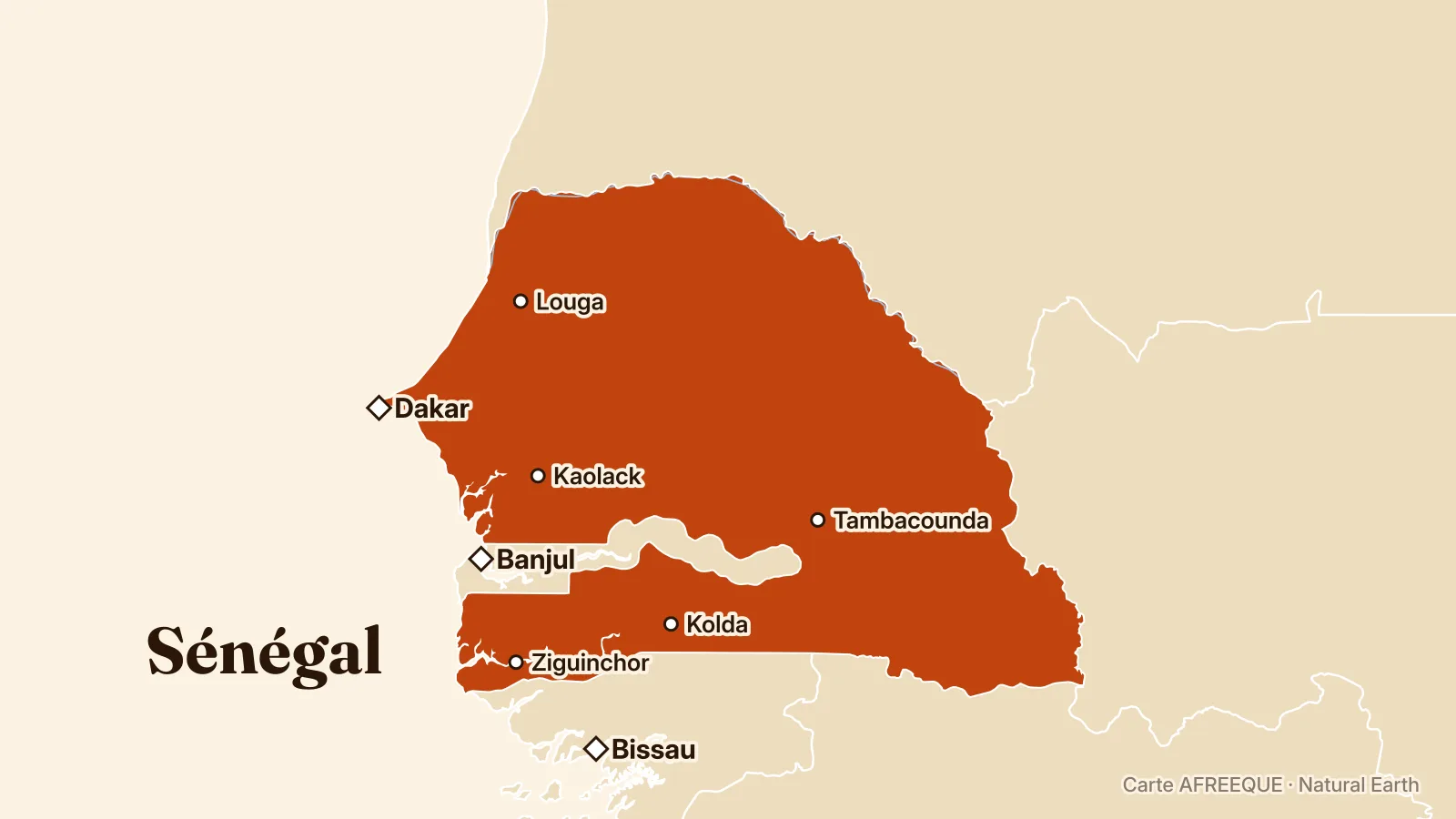
The European Union has ended, with Senegal’s agreement, the fishing protocol that expired in 2024. European catches accounted for 0.3% of Senegalese fishing, but shortcomings in monitoring activities and traceability of catches prompted the decision, Aude Maio-Coliche, head of the EU delegation in Dakar, explained, according to Le Soleil. Discussions are continuing to establish new safeguards before a possible resumption of the agreement.
Fish accounts for nearly 70% of the protein consumed in Senegal. Aude Maio-Coliche believes that the decline in fishery resources threatens food security and jobs linked to fishing. She notably warned that overfishing jeopardises the renewal of fish populations.
The European Union has criticised Senegal for shortcomings in its monitoring and catch traceability systems, particularly for certain species such as bigeye tuna. Brussels makes its imports conditional on partner countries' ability to demonstrate that products do not come from illegal, unreported and unregulated fishing activities. European vessels nevertheless targeted species that were little exploited by local fishermen and paid financial compensation for access to Senegalese waters.
Discussions between Brussels and Dakar are continuing to identify shortcomings in the monitoring of catches by both foreign and domestic vessels. The aim is to establish mechanisms that comply with international standards. The European Union says it is willing to consider reinstating the agreement once these safeguards are in place.