
Deliberately unpaid taxes could cost permanent residency in Japan
By the AFREEQUE newsroom, based on 3News
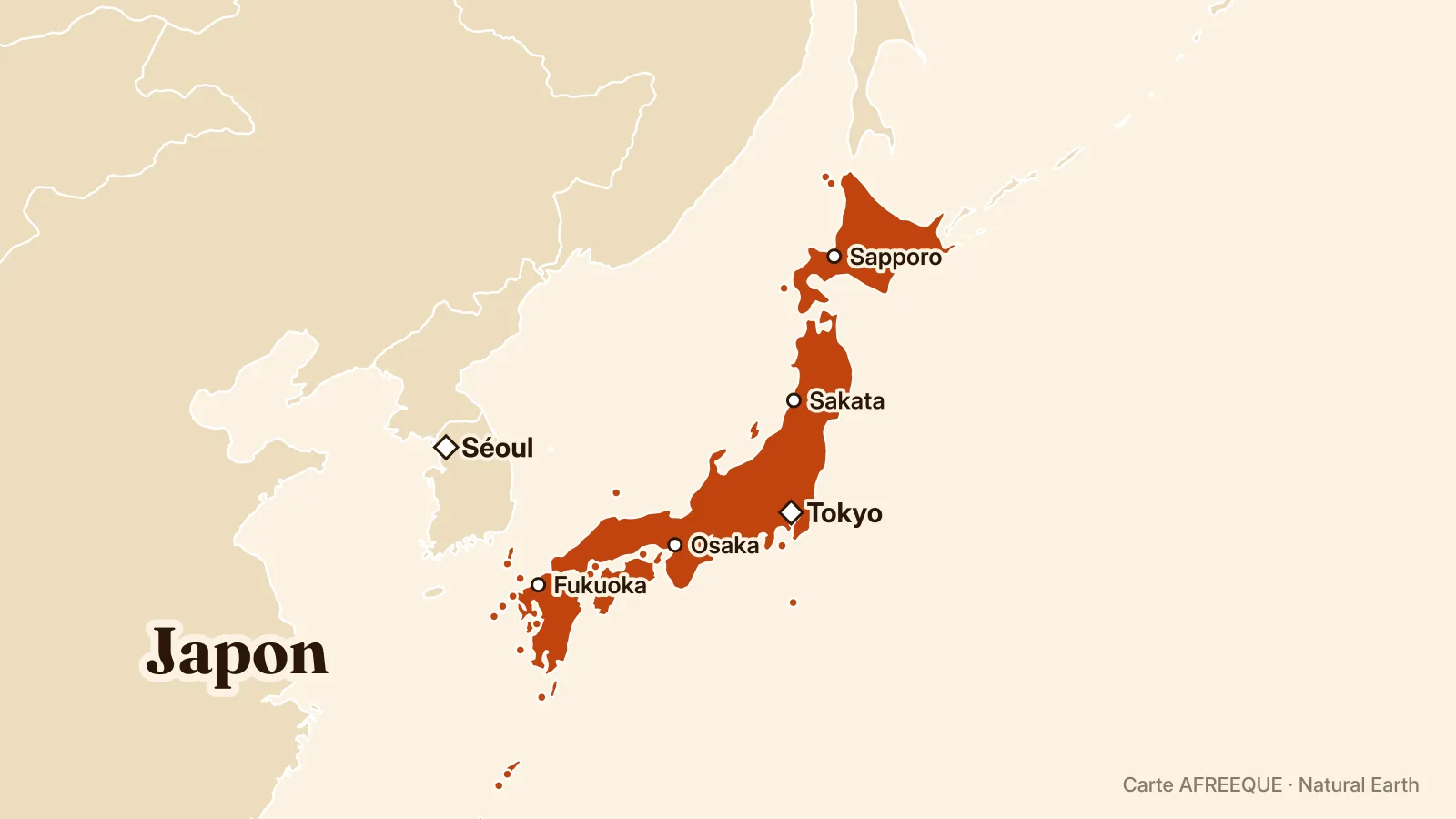
From 1 April 2027, foreign nationals holding permanent residency in Japan could lose that status if they deliberately refuse to pay taxes, health insurance or pension contributions. A prison sentence, even if suspended, for certain crimes such as theft or fraud is also covered, according to 3News.
According to guidelines from Japan’s immigration agency, as relayed by 3News, foreign nationals holding permanent residency in Japan will be able to lose that status from Thursday 1 April 2027. This will be the case if they deliberately fail to pay their taxes, health insurance or pension contributions, or if they are sentenced to prison, even if suspended, for certain intentional crimes.
Three categories of grounds are provided: deliberate non-payment of taxes and contributions; a residence card that is not renewed, not replaced or not presented on request; and a prison sentence for crimes such as theft, fraud, extortion, murder or dangerous driving causing death or injury. Deliberateness means knowing that a sum is owed and choosing not to pay it. The agency judges this by income, the amount and age of the arrears, and the response to reminders. It mainly acts on long-standing arrears, where the person has moved without informing local authorities, ignored requests, repeatedly broken payment plans, been convicted of tax fraud or concealed assets.
Delays caused by illness, a disaster or job loss do not count, nor does an agreed payment plan, or an employer that withheld contributions from wages without paying them over. Fines and penalties, including traffic fines, are not public debts, and a simple failure to renew a card is not enough on its own. Revocation is not automatic: unless the person is unfit to remain, for example in the case of a clear refusal to pay, they are most often moved to the status of 'long-term resident'. They can reapply for permanent residency once the conditions are met again, and present their arguments before any decision. Deliberate non-payment before April 2027 may also count if it is discovered later, but payments made since are taken into account.
This rule adds to another recent tightening: Japan has increased permanent residency fees twentyfold, a change reported on 1 October 2026.