Commentator says rejected budget cannot be reinstated by decree
By the AFREEQUE newsroom, based on 24 Heure Info

In a contribution published by 24 Heure Info, a participant in public debate argues that a text rejected by MPs cannot be revived by decree, at the risk of weakening parliamentary oversight. He considers it more urgent to conduct an honest assessment of budget execution before the close of the 2026 financial year.
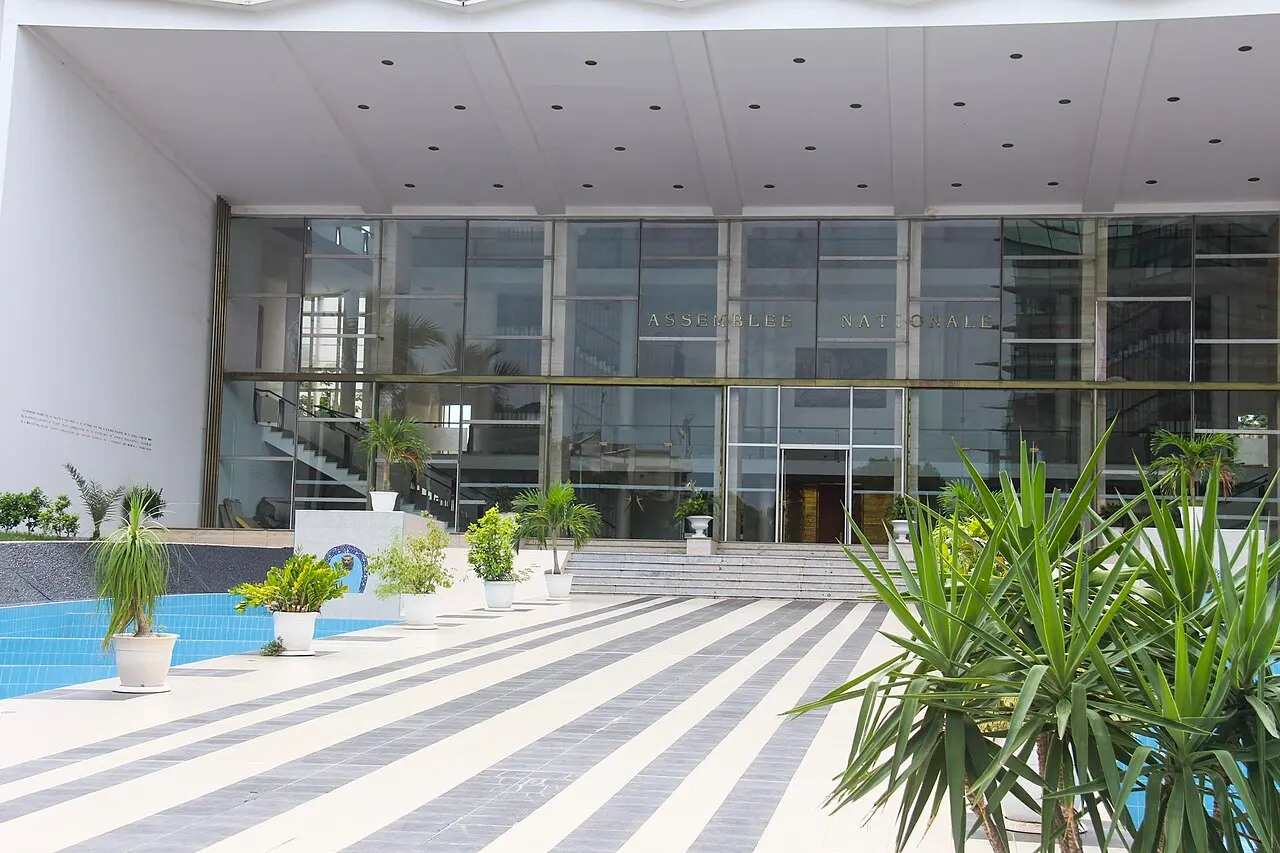
In Senegal, a contributor to public debate disputes the possibility of President Bassirou Diomaye Faye reinstating the 2026 supplementary Finance Act by decree after its rejection by the National Assembly. According to 24 Heure Info, he believes such a procedure risks diminishing the scope of parliamentary oversight of the executive’s budget decisions.
To resolve this difficulty, the commentator recommends reviewing public spending execution before the close of the 2026 financial year. In particular, he proposes using advance decrees and credit cancellations authorised by the Organic Law on Finance Acts, then submitting the necessary adjustments to Parliament. He also calls for the state’s commitments regarding energy subsidies to be honoured and regularised in accordance with budgetary rules.
The contribution also raises the question of whether reinstating a rejected budget by decree is compatible with the mechanism allowing the government to seek MPs' confidence in order to pass a financial text. The author considers that the expiry of the 60-day deadline provided for under this procedure makes this institutional arrangement problematic.
The debate follows the rejection of the 2026 supplementary Finance Act by Senegalese MPs on 17 November. On 19 November, President Bassirou Diomaye Faye had decided to bring the supplementary budget into force by decree, a measure also challenged by former Prime Minister Amadou Ba.