Brazilian parliament approves $9.4 billion in savings
By the AFREEQUE newsroom, based on BFMTV
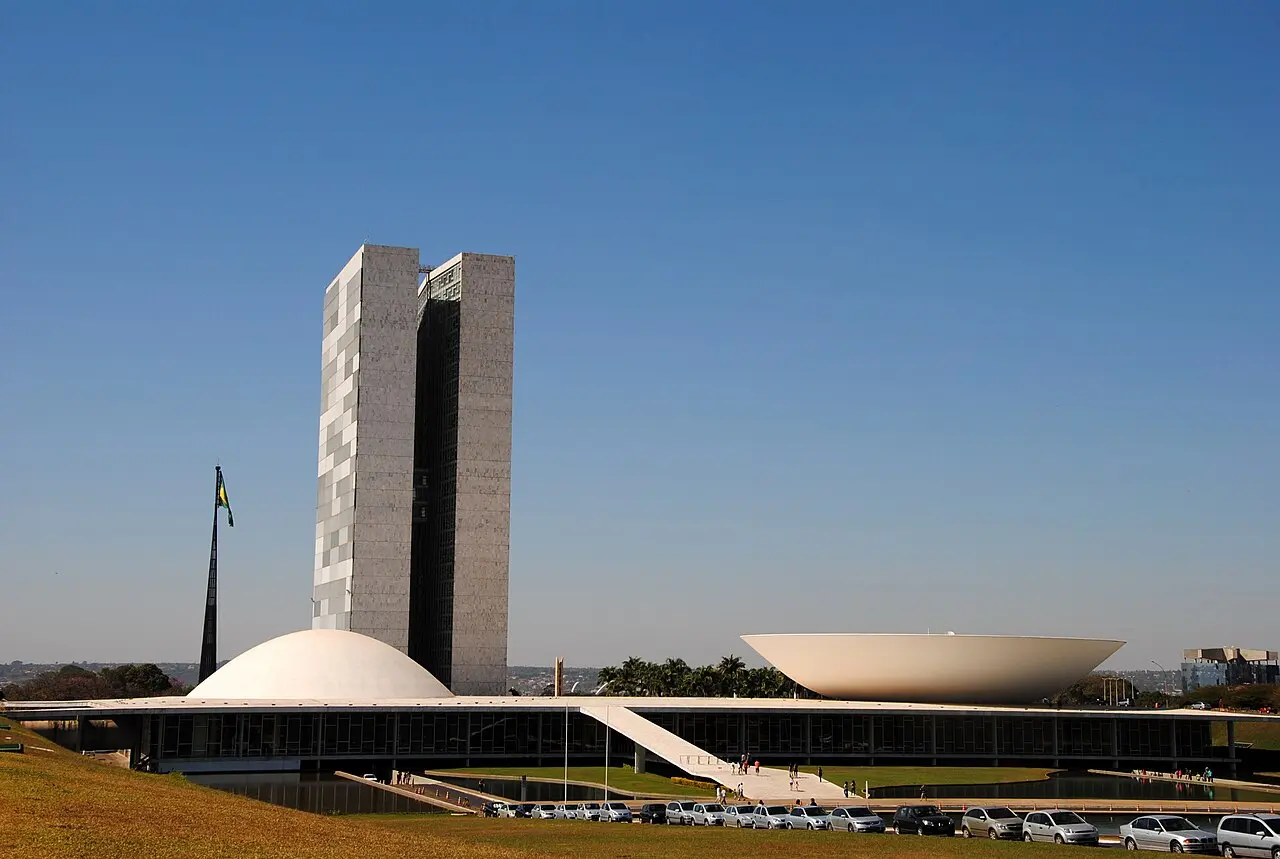
Brazil’s parliament has approved a bill allowing the government to generate savings of up to $9.4 billion in 2027, by 352 votes to 128, with six abstentions. The measure includes cuts to health and education spending and transfers to states, BFMTV reports.
Brazil’s parliament on Tuesday approved a bill intended to allow the government of President Luiz Inácio Lula da Silva to save up to $9.4 billion in 2027. The Chamber of Deputies passed the text by 352 votes in favour, 128 against and six abstentions, following approval by the Senate, according to BFMTV.
The measures include cuts to spending on health and education, as well as a reduction in financial transfers to states and municipalities. The executive intends to use these measures to lower interest rates, which Lula considers an obstacle to economic activity.
The Brazilian president is seeking to reassure financial markets as public debt exceeds 80% of gross domestic product and the Central Bank’s benchmark interest rate is among the highest in the world. The national currency is also experiencing a sharp depreciation. Re-elected a month earlier on a left-wing programme, Lula has refused to cut the minimum wage, whose annual increase exceeds inflation. Pensions and some social benefits are indexed to this income.
Central Bank governor Gabriel Galípolo had called for a review of this wage policy. On the left, the plan has raised fears of a recession. Bolsonarist MP Nikolas Ferreira has also criticised the measures, arguing that the burden will fall more heavily on economic players than on state spending. During a visit to Madrid, Lula said he did not want to become 'a hostage of the financial system'.