Biometric travel documents could revive refugee resettlement
By the AFREEQUE newsroom, based on Corbeau News Centrafrique
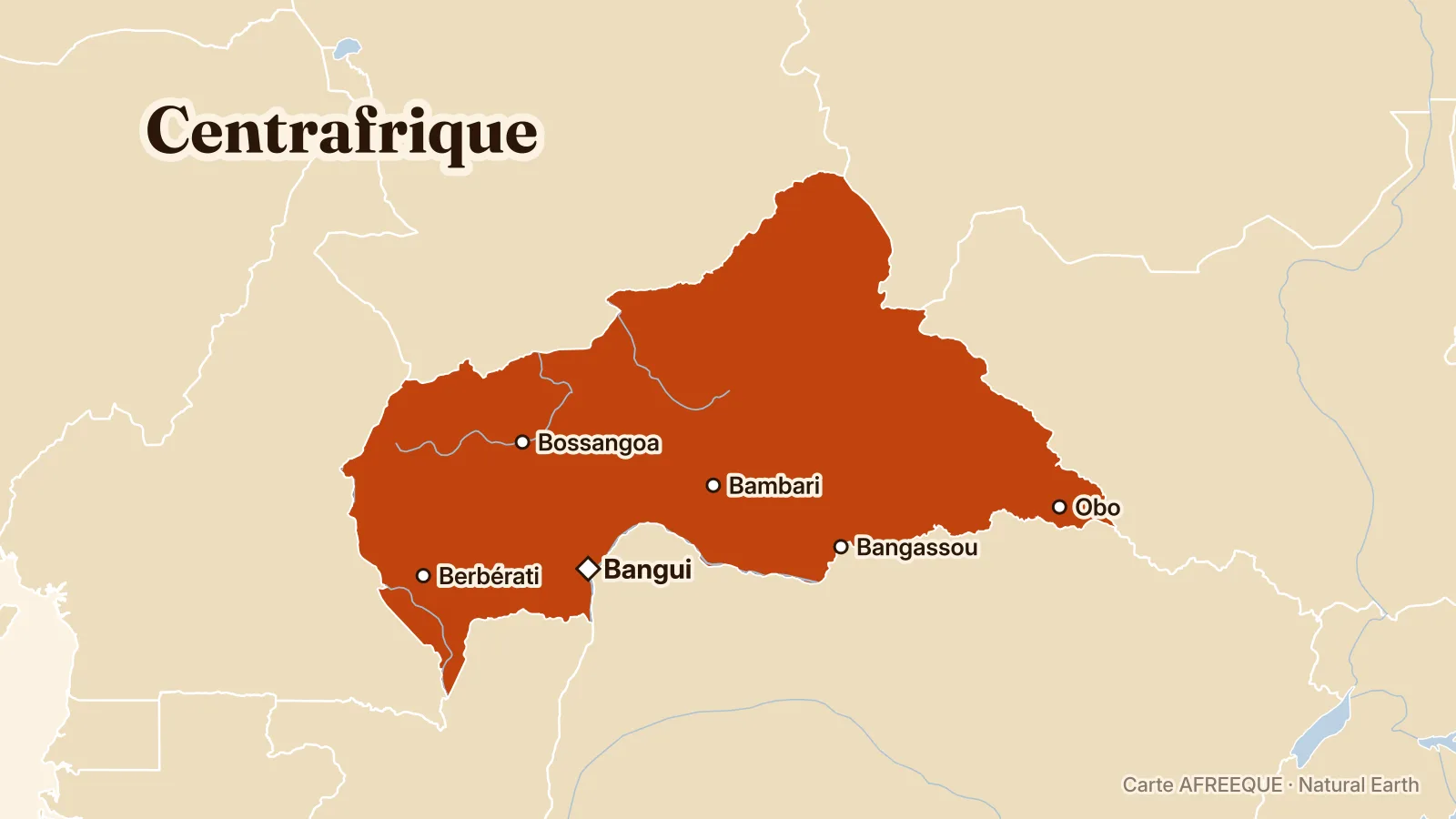
An agreement involving SEDOSEC, the Ministry of Security and the National Commission for Refugees has made it possible to produce biometric travel documents in the Central African Republic. These documents, required for resettlement, could enable the UN refugee agency to resume transfers, according to Corbeau News Centrafrique.
The resettlement of refugees in the Central African Republic to Western host countries could resume thanks to the forthcoming production of biometric travel documents, Corbeau News Centrafrique reports. The partnership between the Ministry of Security, the National Commission for Refugees and the company SEDOSEC removes the administrative obstacle that had prevented these transfers.
The absence of biometric data on previous travel documents had prevented applications from being completed, as the documents must meet the security standards set by the International Civil Aviation Organization. According to Hervé Zouaka, secretary-general of the National Commission for Refugees, the production of these new documents now gives the UN High Commissioner for Refugees the opportunity to resume transfers. In this context, Canada, the United States, France and Norway are among the countries that regularly make resettlement places available.
Resettlement does not apply to all refugees, unlike voluntary repatriation, which is planned, for example, for Congolese refugees. The UNHCR and its partners give priority to people living in Bangui or in provinces where protection needs remain high. Refugees do not choose their destination country, but can accept or reject the offer; the host country’s authorities then carry out their own checks before making a decision.
The Central African Republic hosts around 61,000 refugees and asylum seekers, according to a figure published on 6 October. By contrast, 286 Central African refugees have returned from Cameroon after 12 years in exile.