Antitoxin shortage threatens thousands of children in Nigeria
By the AFREEQUE newsroom, based on Médecins sans frontières
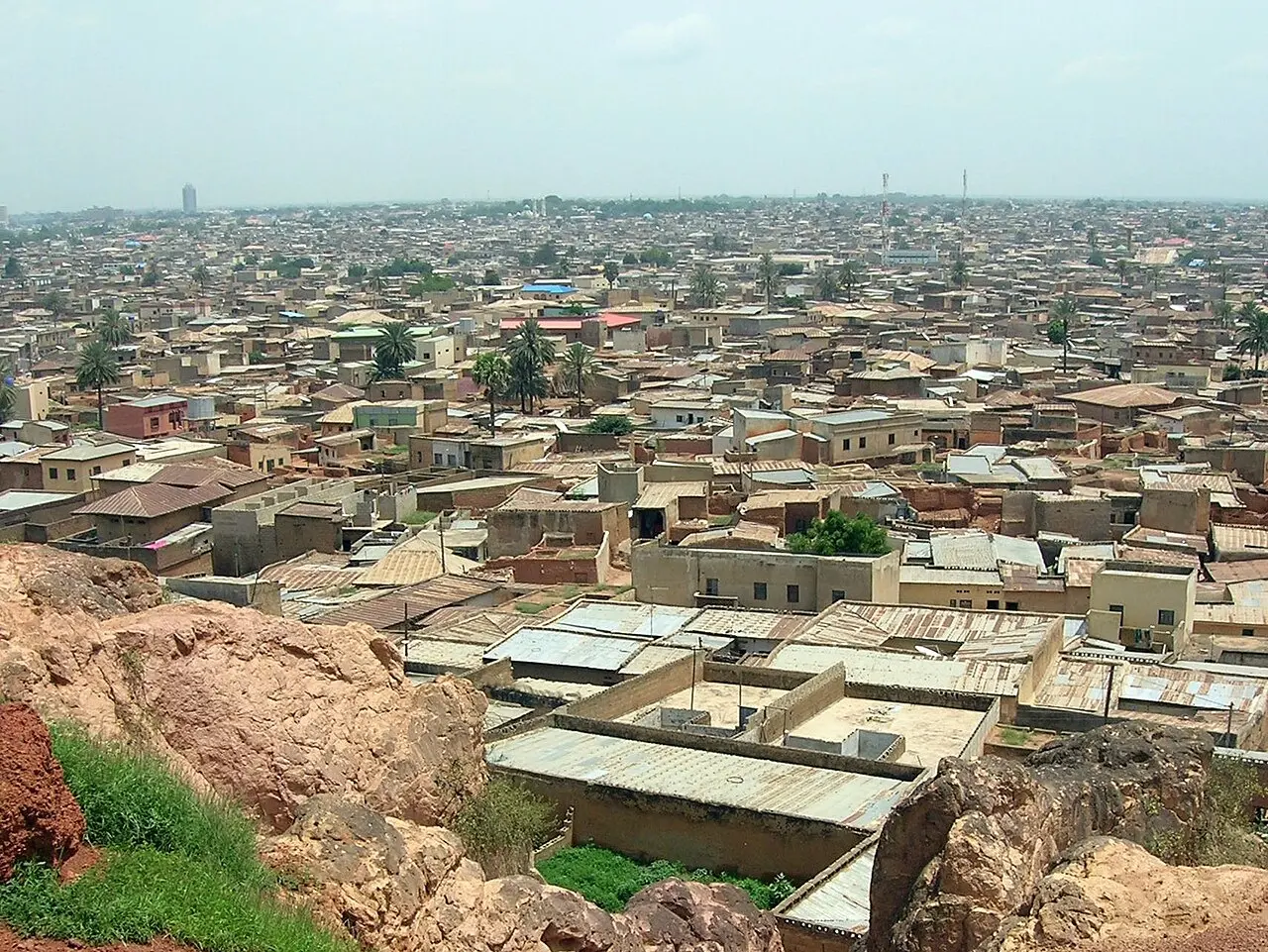
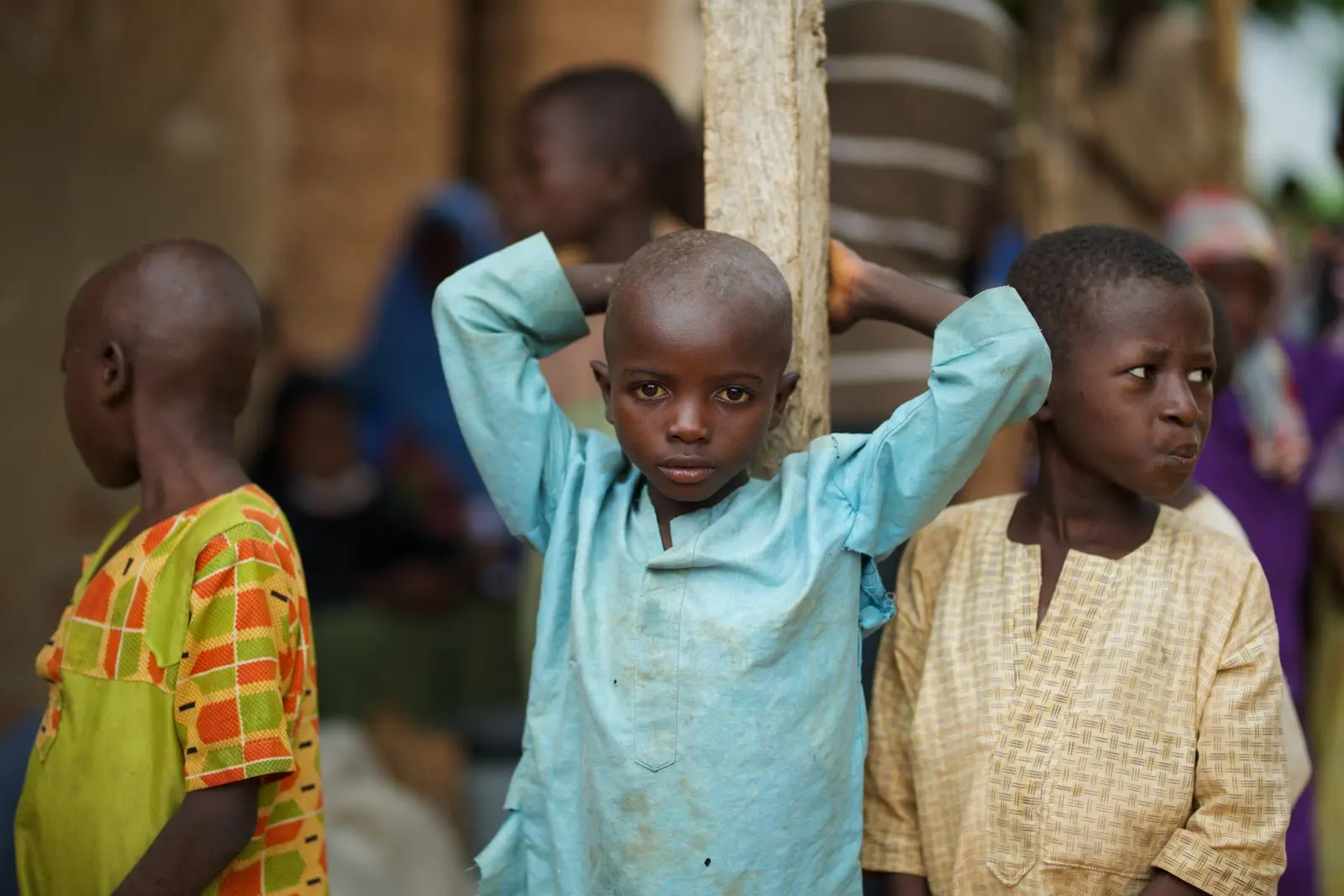 Illustrative image · Najim Kurfi · Pexels · Licence Pexels
Médecins Sans Frontières is warning of a shortage of diphtheria antitoxin, exposing thousands of children to severe forms of the disease in northern Nigeria. The organisation is calling on authorities, donors and partners to secure stocks of medicines and vaccines, according to Médecins Sans Frontières.
As of 9 August 2026, Nigeria had recorded 12,977 suspected cases of diphtheria, 10,476 confirmed infections and 406 deaths, according to Médecins Sans Frontières (MSF). The organisation says the global shortage of diphtheria antitoxin, combined with low vaccination coverage, is fuelling transmission in the north of the country and undermining patient care.
Since the outbreak began at the end of 2022, the national toll has exceeded 41,000 suspected cases, 24,000 confirmed infections and 1,260 deaths. The states of Bauchi, Borno, Kaduna, Katsina, Kano, Plateau, Sokoto and Zamfara remain particularly affected, with new increases in cases in several areas, according to MSF.
Diphtheria antitoxin is the only specific treatment capable of neutralising the toxin produced by the disease and is more effective when administered within 48 hours of the onset of symptoms. MSF says its teams are facing insufficient or unavailable stocks and sometimes have to ration treatments. The organisation is calling on federal and state authorities, donors and international partners to secure stocks of antitoxin, vaccines and other essential medicines, and to speed up their distribution in affected areas.