US expert defends dialogue with Putin to preserve Ukraine
By the AFREEQUE newsroom, based on Cfr
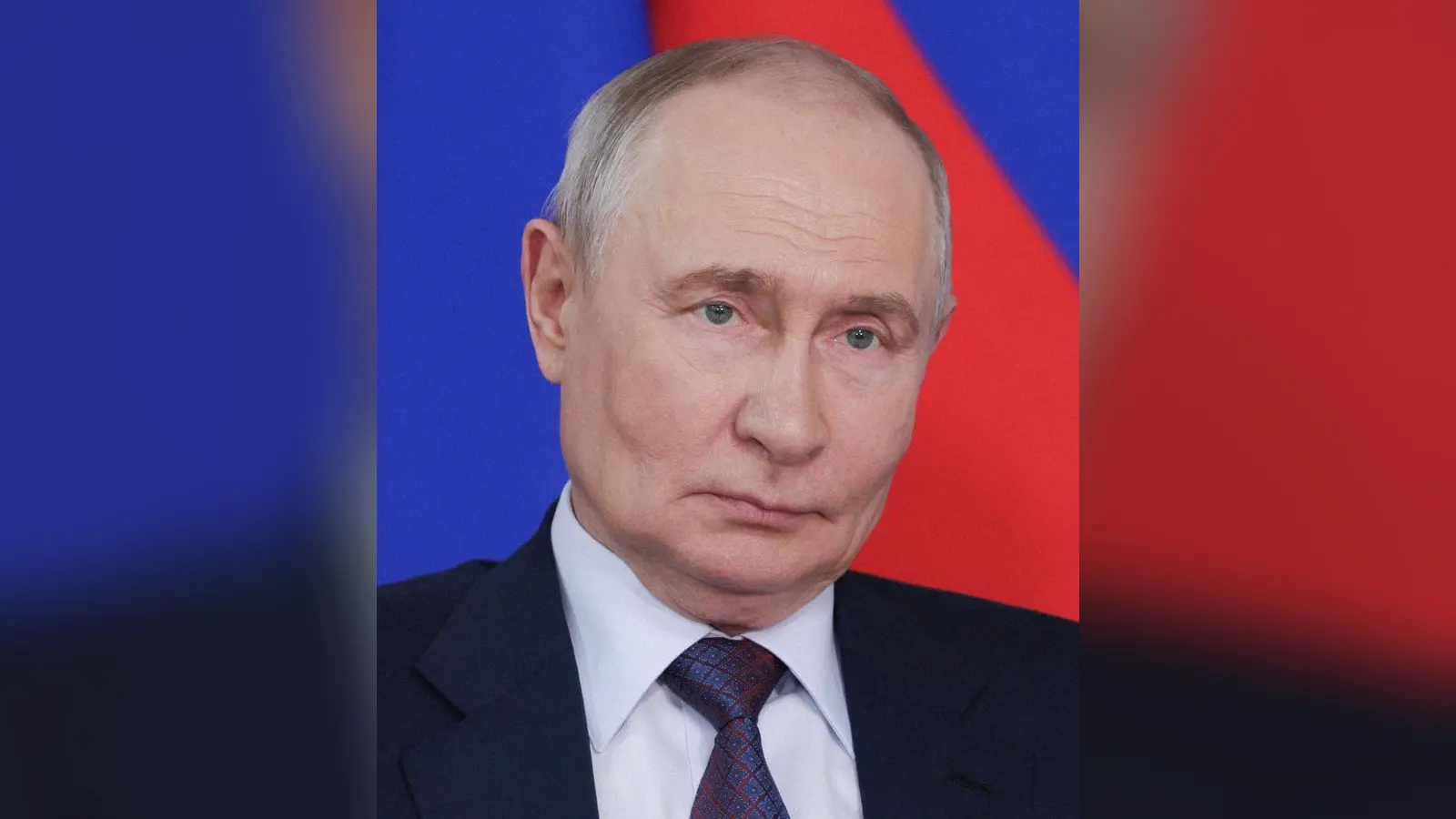
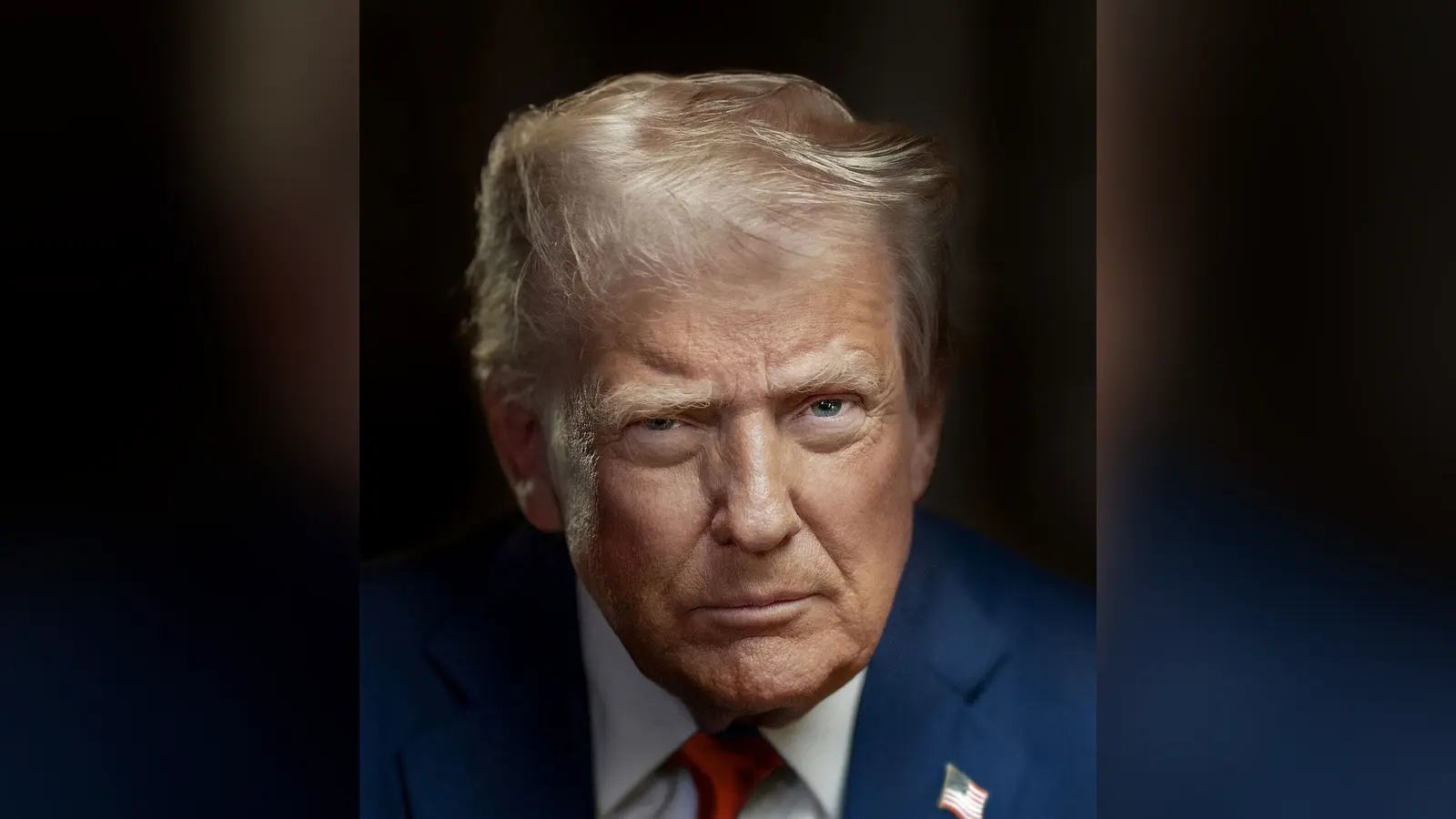
Thomas Graham, an expert at the Council on Foreign Relations, says criticism of Donald Trump for opening dialogue with Vladimir Putin will not bring an end to the war in Ukraine. He argues diplomacy is the route to a settlement, while stressing it must preserve Ukrainian sovereignty and the country’s ties with the West, according to the Council on Foreign Relations.
Thomas Graham, an expert at the Council on Foreign Relations (CFR), believes dialogue with Vladimir Putin remains necessary to reach a settlement to the war that preserves Ukraine’s sovereignty and Western alignment. His analysis was published on 21 October, as US envoy Steve Witkoff met the Russian president in St Petersburg, the CFR reports.
Witkoff was visiting Putin for the ninth time. A few days earlier, the White House had eased US sanctions on Russian diesel. The Kremlin opened the meeting by announcing the release of Stephen Hubbard, a retired American teacher detained after being arrested in a Russian-occupied area of Ukraine.
The previous day, Witkoff had met Ukrainian President Volodymyr Zelensky in Oslo. Ukrainian and European leaders were seeking to ease their dispute with Washington over military aid, intelligence-sharing and access to Starshield, the military version of SpaceX’s Starlink satellite network.
Graham acknowledges that criticism of Donald Trump, accused of moving away from Kyiv and closer to Moscow, may be justified. He nevertheless urges people to consider what is achievable in the short term and the long-term objectives. In his view, Russia will probably retain control of most of the Ukrainian territories it has captured, and Kyiv will not be able to liberate all the land it was recognised as controlling internationally in 1991.
The analysis follows the meeting between Steve Witkoff and Vladimir Putin on 21 October. It comes amid discussions about Ukraine, after Putin rejected a ceasefire following his talks with the US envoy.
Summary produced with the help of artificial intelligence tools, under AFREEQUE’s editorial responsibility.