After midterms, Trump sends mixed signals about his future
By the AFREEQUE newsroom, based on Vanguard
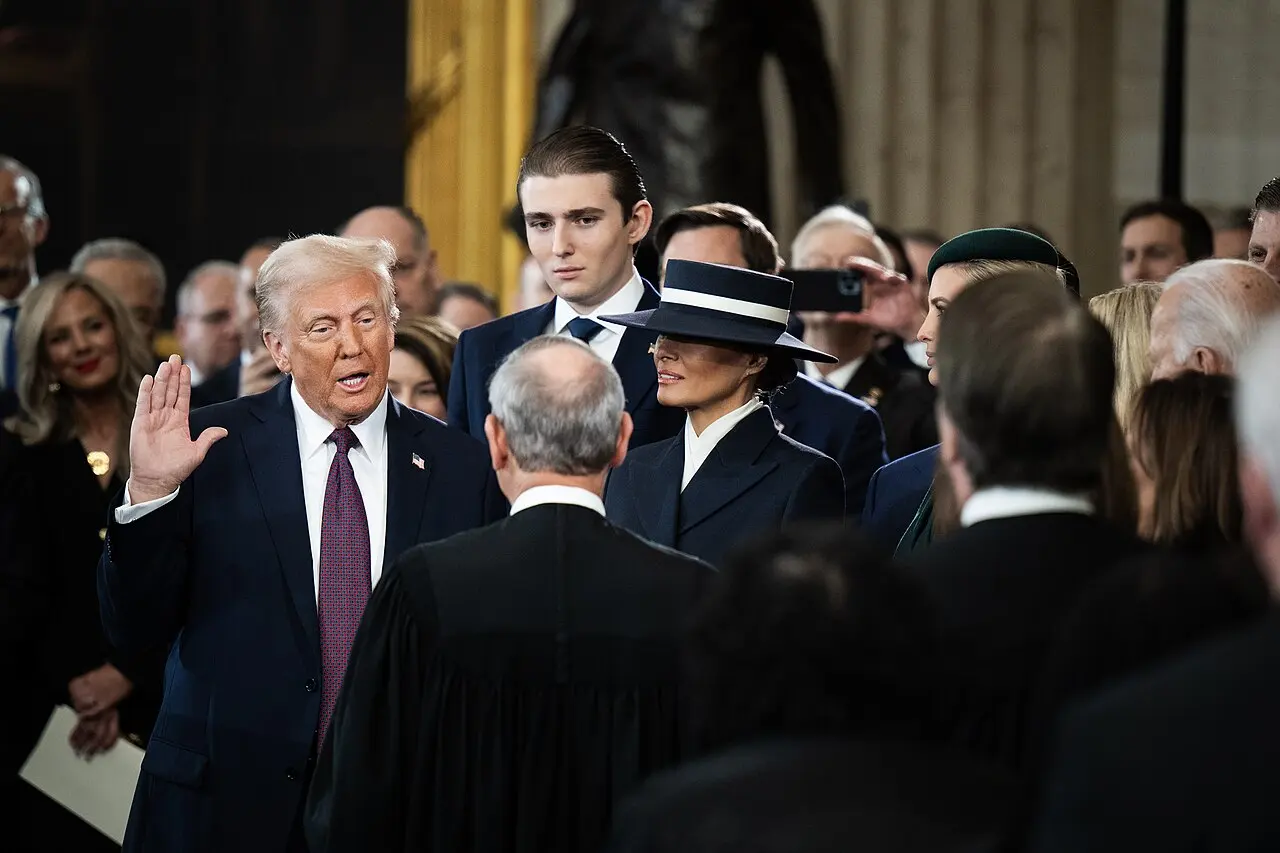
Donald Trump has sent contradictory signals about his approach following the Republican defeat in the midterm elections, appointing a hardliner to the White House while acknowledging that his immigration policy was too tough. He blamed the rout on the war against Iran, then revived unsubstantiated allegations of electoral fraud, according to Vanguard.
Donald Trump has appointed Stephen Miller, his adviser in charge of immigration policy, as chief of staff while acknowledging that his deportation policy had been too harsh. Miller notably oversaw immigration raids and helped use presidential executive orders to bypass Congress, according to Vanguard.
Following the Democratic victory in the midterm elections, Trump had congratulated the Democrats and said he wanted to work with them. He subsequently maintained his support for Pentagon chief Pete Hegseth in the face of impeachment proceedings and revived unsubstantiated allegations of electoral fraud, according to Vanguard. Democratic Senator Chris Coons described the president as someone capable of changing his position quickly.
Trump also acknowledged on CBS News’s '60 Minutes' programme that voters may have been put off by his deportation policy. He had previously raised the possibility of cooperation with the Democrats, who have promised to launch investigations into suspected corruption and abuses of power, with the possibility of a third impeachment proceeding, according to Vanguard.
Stephen Miller replaced Susie Wiles as chief of staff following the announcement made on Friday, according to Vanguard. The appointment comes as Trump simultaneously adopts conciliatory positions on cooperation with the Democrats and tougher measures on immigration and the functioning of the executive branch.