South Africa’s exclusion from AGOA will increase the costs of its trade with the United States, particularly for some exported products. South African exports benefiting from AGOA preferences are worth about $1.6 billion to $1.7 billion, while bilateral trade reached $28.8 billion in 2025, according to Business Times.
South Africa’s exclusion from AGOA will increase the costs of its trade with the United States, particularly for some exported products. South African exports benefiting from AGOA preferences are worth about $1.6 billion to $1.7 billion, while bilateral trade reached $28.8 billion in 2025, according to Business Times.
The end of AGOA benefits is expected to increase the cost of trade between South Africa and the United States, despite the maintenance of other trade regimes. South African exports benefiting from these preferences represent about $1.6 to $1.7 billion, according to Business Day.
The United States is removing South Africa and Rwanda from AGOA, ending their preferential access to the US market from 1 January 2027, according to O País citing African News and several media outlets. Washington cites trade barriers and security considerations, while the withdrawal comes amid tensions with Pretoria and accusations against Kigali over the M23. France 24 reports fears over jobs and exporters’ margins.
The South African government has promised to support sectors affected by the withdrawal of AGOA benefits, due to take effect on 1 January 2027. Trade Minister Parks Tau has called for dialogue with Washington to be maintained and for trade, investment and mineral processing to continue, according to BuaNews.
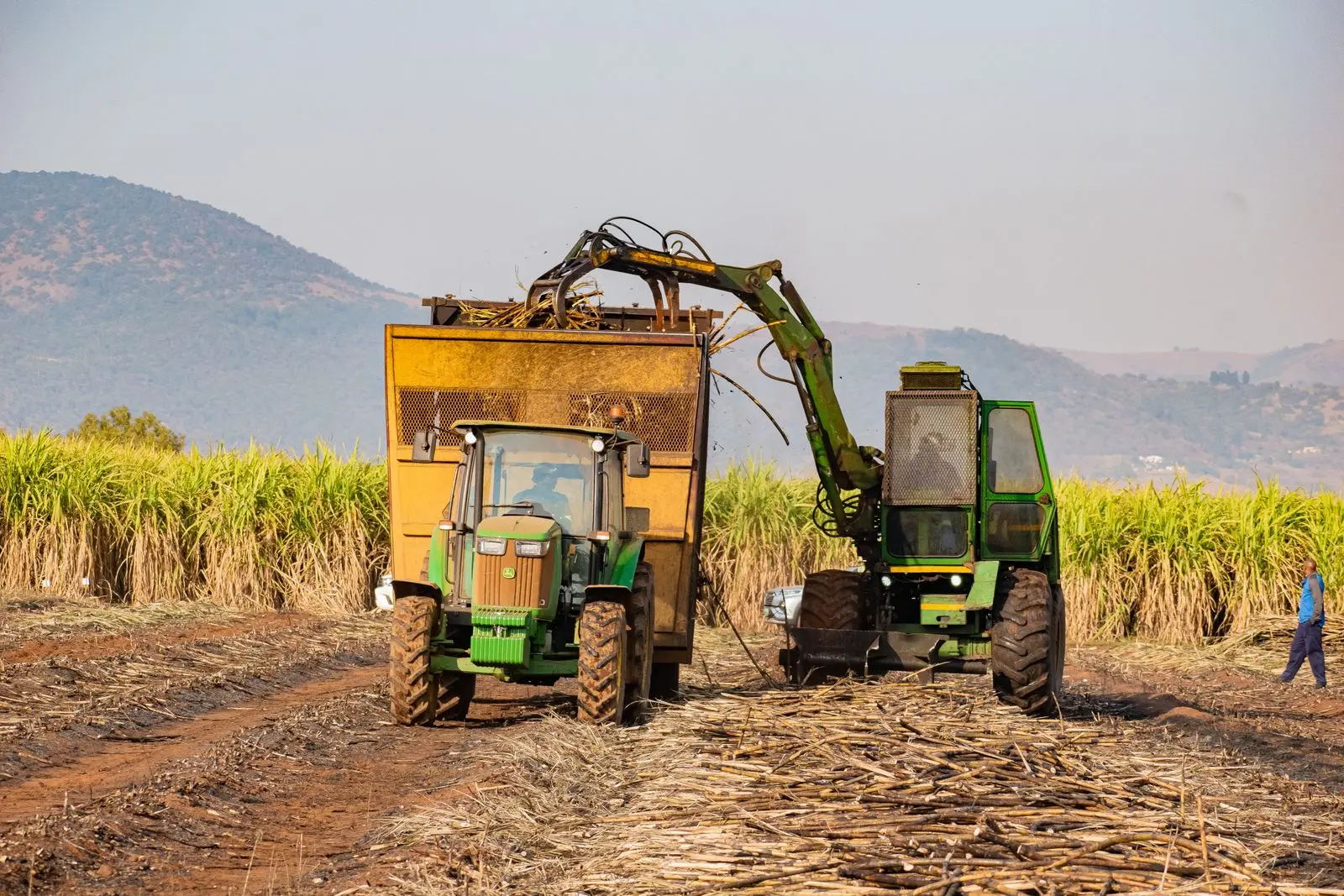
The United States removed South Africa from the AGOA trade programme from January, denying its exporters the scheme’s duty-free access. Trade union federation COSATU fears higher costs and job losses, particularly for exporting farmers, according to SABC News.
The United States plans to remove South Africa and Rwanda from AGOA on 1 January 2027, ending their duty-free access to the US market, according to Club of Mozambique, Rwanda Dispatch, the BBC and AGP. Washington cites trade barriers, security, human rights and foreign policy concerns; Pretoria criticises new demands, while Kigali denies supporting the M23.
Donald Trump notified Cyril Ramaphosa of his intention to withdraw South Africa’s AGOA beneficiary status from 1 January 2027, citing trade and security concerns, according to Zambian Observer and Scrolla.Africa. Pretoria said on 2 November that it would support affected sectors and continue negotiations, while disputing the US presentation of the discussions, according to the South African government.
South African Trade Minister Parks Tau says the US threat to remove South Africa from AGOA does not sum up relations between the two countries. He calls on Washington and Pretoria to engage in dialogue to find a solution, as the withdrawal of trade benefits is scheduled for 1 January 2027, according to IOL.
The United States has confirmed its intention to exclude South Africa from the AGOA trade programme, with the measure due to take effect in January 2027. US Ambassador Jamieson Greer attributed the decision to South African policies, while Pretoria disputes Washington’s concerns.
Washington announced plans to exclude South Africa and Rwanda from AGOA, the agreement facilitating some African products’ access to the US market, US Trade Representative Jamieson Greer said, according to RFI. The South African exports concerned reached about $1.7 billion last year and Pretoria would have 60 days to respond, reports SABC News.
The United States will remove South Africa and Rwanda from AGOA from 1 January 2027, after its annual review of their eligibility, according to the United States Trade Representative, Times of Eswatini, Bénin Web TV and La Nouvelle Tribune. Washington cites obstacles to trade and investment as well as threats to its national security and foreign policy interests; the US administration also cites concerns over human rights and the rule of law for Rwanda, and corruption for South Africa.
South African union COSATU has warned that thousands of agricultural and industrial jobs are linked to US trade preferences that South Africa is due to lose in January 2027. It has highlighted the potential consequences for workers and farmers in a country where unemployment stands at 43.8%, according to COSATU.