URGENT
🇪🇸 SpainPolitics

Spain’s right and Vox on course for an absolute majority

By , based on SeneNews, BFMTV and L’essentiel
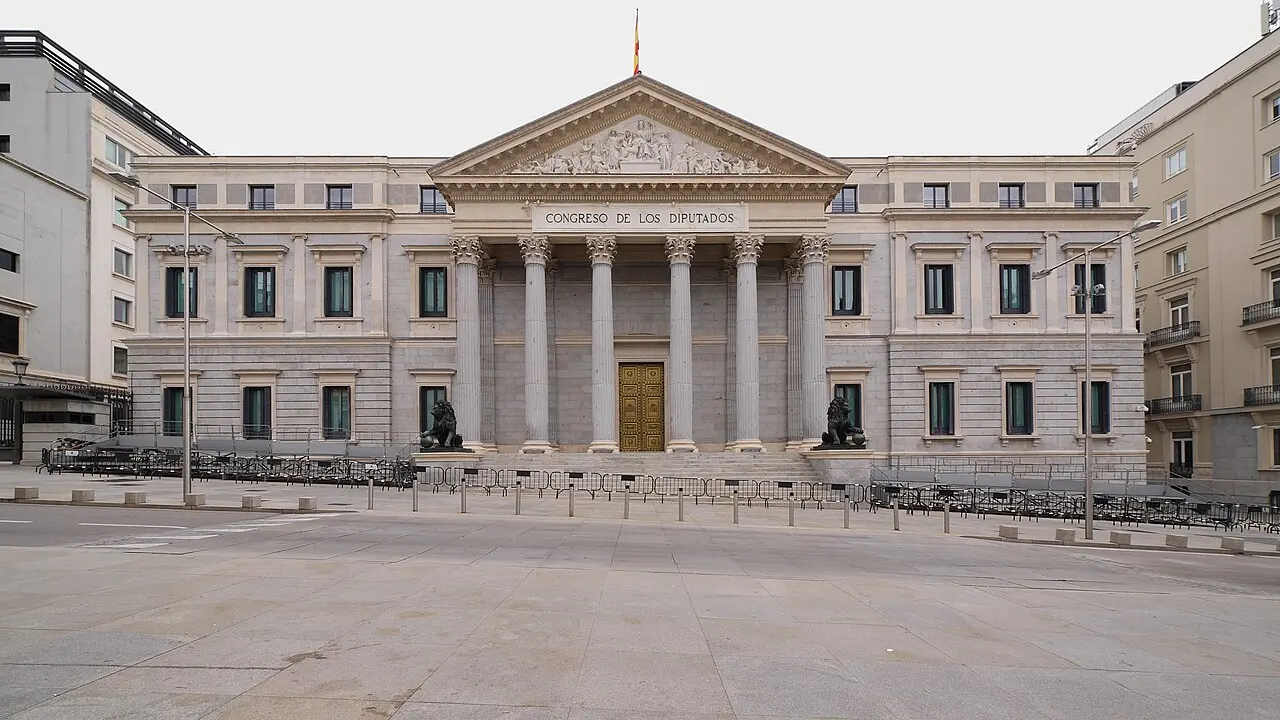
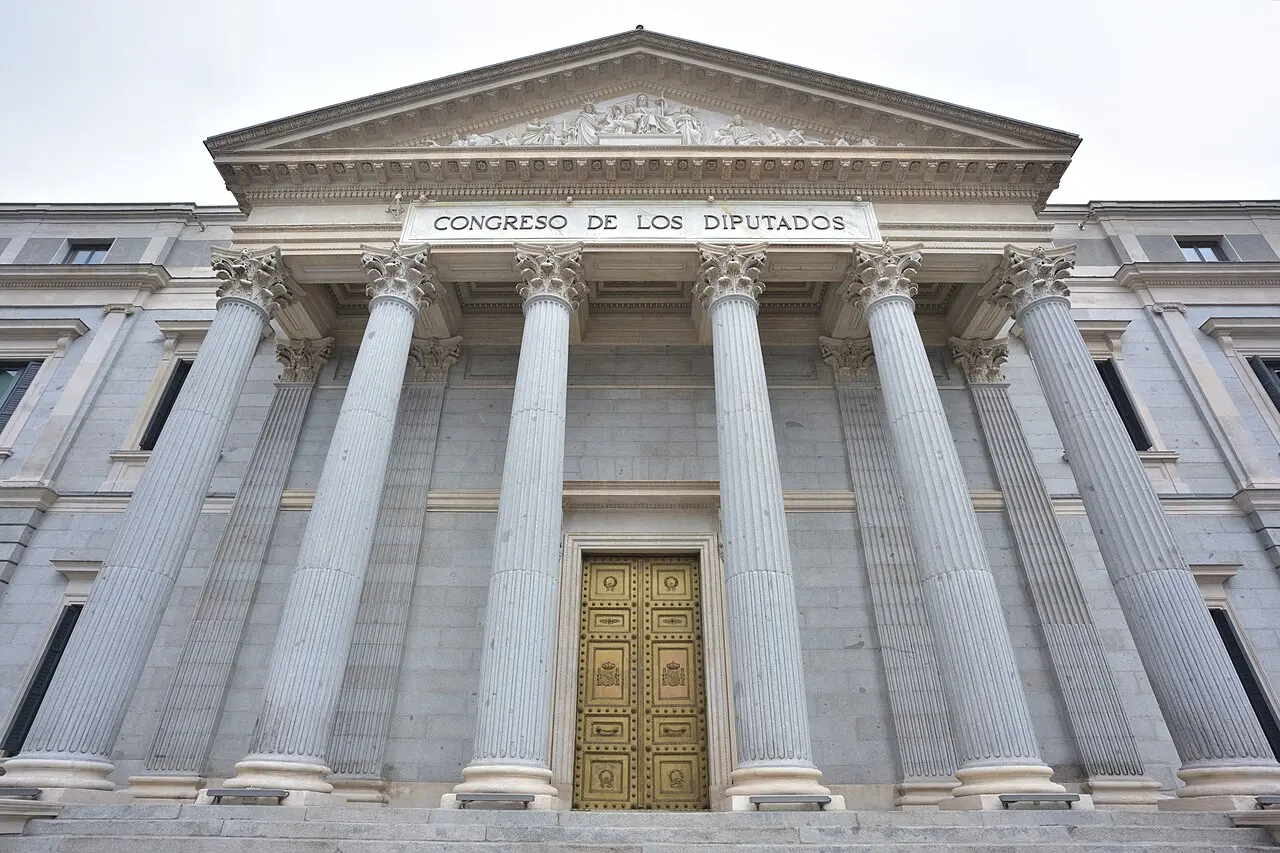
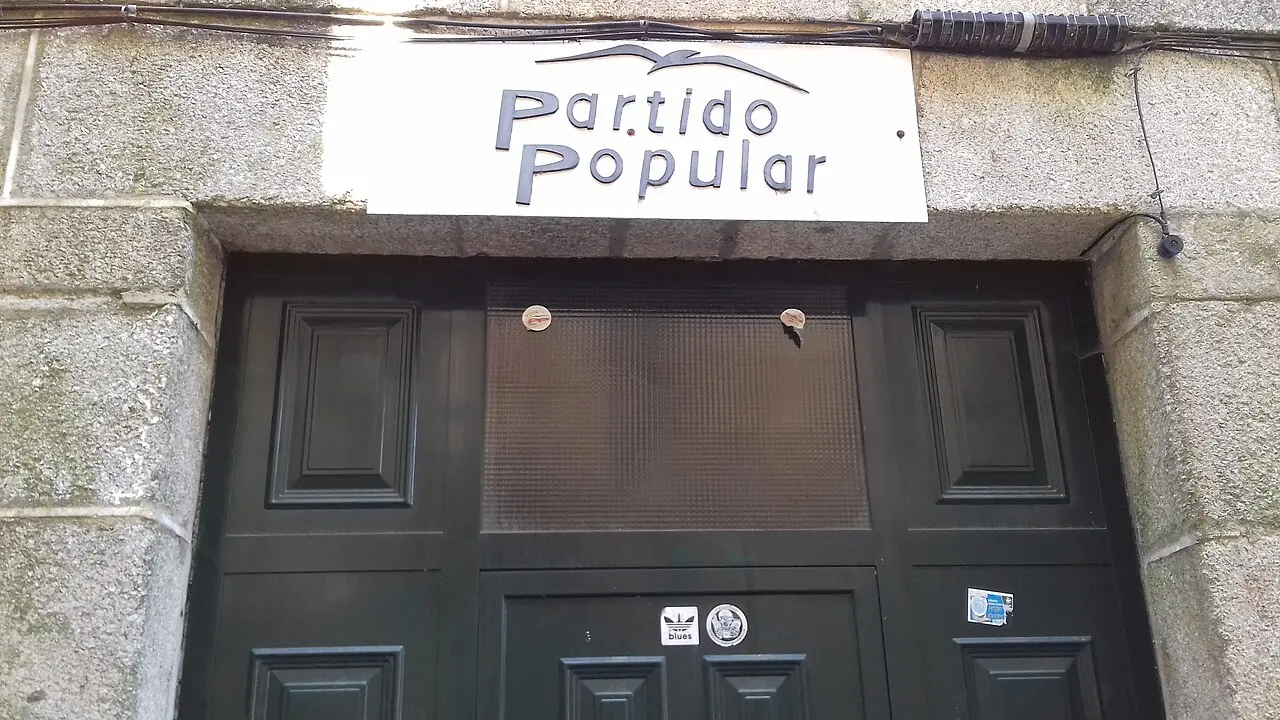
Spain’s right and Vox on course for an absolute majorityJavier Perez Montes · CC BY-SA 4.0

Alberto Núñez Feijóo’s People’s Party (PP) is leading Spain’s snap general election with 134 seats, ahead of Pedro Sánchez’s PSOE (117), according to BFMTV. Together with Vox’s 50 elected members, the right and far right would hold 184 of the 350 seats, eight above the threshold for an absolute majority, with nearly 75% of ballots counted.

The PP and Vox could jointly secure an absolute majority in the Spanish Congress of Deputies, with 184 of the 350 seats, according to partial results published by BFMTV. Alberto Núñez Feijóo’s right-wing party is projected to win 134 seats, while Santiago Abascal’s far-right party would take 50. Pedro Sánchez’s PSOE is projected to secure 117 seats.

Turnout exceeded 78%, an unprecedented level in more than 40 years. The election comes after eight years of socialist government, marked in particular by corruption scandals involving people close to Pedro Sánchez, the housing crisis and rising living costs. The decline of his radical left-wing allies also reduces his chances of securing a parliamentary majority.

The PP and Vox already govern together in several Spanish regions. Vox’s participation in the next government or in the parliamentary majority would represent a major political shift, 51 years after the death of General Franco in 1975.

Donald Trump welcomed the Spanish socialists' defeat, describing their setback as 'great news' upon his arrival at the White House. Outside the PP headquarters in Madrid, hundreds of supporters greeted the first results with applause and cheers.

Share this article

Related stories

PP and Vox win 186 seats in Spanish parliamentary election

The Spanish right-wing bloc, combining the People’s Party (PP), Vox and the Navarrese People’s Union (UPN), provisionally totals 186 of 350 seats, ten more than the absolute majority, according to Business News. The PP wins 134 deputies, the PSOE 117 and Vox 50, after 76.9% of ballots were counted. The right could thus govern with the support of the far right.

🇪🇸 Spain · Source: 3News ·

Spanish election: PP leads PSOE as right-wing bloc tops majority threshold

According to Yabiladi, the PP is leading with 133 seats ahead of Pedro Sánchez’s PSOE (118), while the right-wing bloc reaches 185 MPs with the UPN, above the 176-seat threshold for an absolute majority. The campaign portrayed Morocco as a threat in PP and Vox rhetoric, amid the Ceuta crisis and rivalry over the 2030 World Cup final.

🇪🇸 Spain · Source: Yabiladi ·

Spaniards vote to choose the next government

Spaniards are voting on 29 November in an early general election that could end eight years of rule by socialist Pedro Sánchez. Alberto Núñez Feijóo’s People’s Party (PP) is tipped to win but may have to ally with Vox to secure a parliamentary majority, according to Al Jazeera.

🇪🇸 Spain · Source: Al Jazeera ·

Pedro Sánchez stakes his future on Spain’s general election

Pedro Sánchez is fighting to remain in power in Spain’s early general election on 29 November 2026, against a right-wing bloc considered favourite that could ally with Vox, according to BFMTV. Weakened by corruption scandals involving his inner circle and difficulties accessing housing, the Socialist prime minister is relying on economic growth and his social policies to convince voters.

🇪🇸 Spain · Source: BFMTV ·

🌍 Latest from World

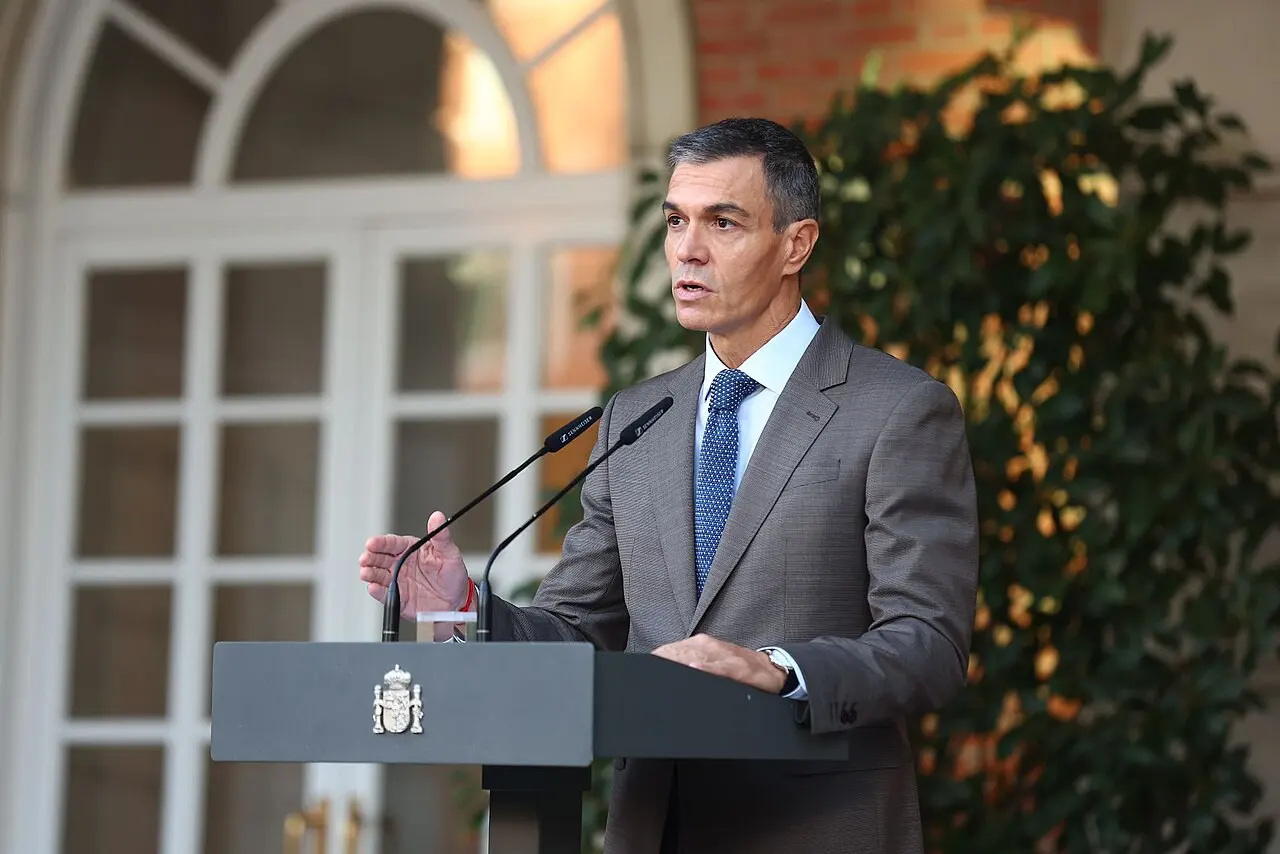
Pedro Sánchez concedes defeat in Spanish general electionPedro Sánchez concedes defeat in Spanish general electionSpanish Prime Minister Pedro Sánchez conceded defeat on Sunday, calling the evening a "sad night", after the People’s Party of Alberto Núñez Feijóo and the far-right party Vox won an absolute majority. He called Feijóo to congratulate him and urged his supporters not to capitulate, promising a vigilant opposition, according to the EFE agency as relayed by Lakome2.All World news →

Politics

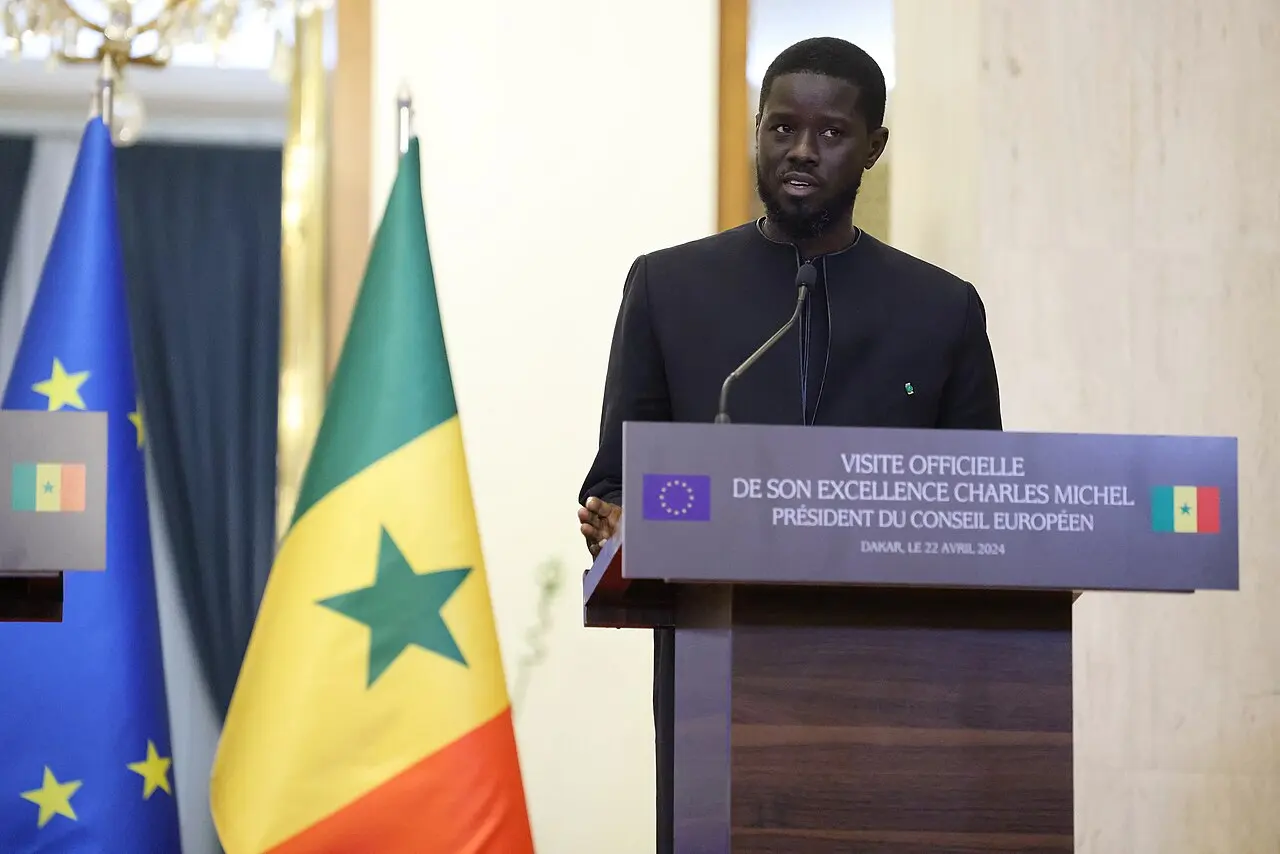
In Senegal, Diomaye Faye rules out national unity governmentIn Senegal, Diomaye Faye rules out national unity governmentSenegalese President Bassirou Diomaye Faye currently rules out forming a national unity government, which he considers relevant mainly in times of crisis. In an interview broadcast on Sunday evening on RTS 1 and ITV, amid tensions with the National Assembly, he said the country faces only an economic crisis, according to Senego.All Politics news →

The week in Africa

This week’s highlights

  1. Pedro Sánchez concedes defeat in Spanish general election🇪🇸 Spain
  2. Russian strikes kill three people in Ukraine🇺🇦 Ukraine
  3. Niger sanctions CNPC and revises terms of pipeline to Benin🇳🇪 Niger
  4. ECOWAS calls on Guinea-Bissau junta to reconsider election postponement🇬🇼 Guinea-Bissau
  5. Nigeria’s Dangote refinery cuts petrol price again to 1,039 naira🇳🇬 Nigeria
All of this week’s highlights →

Africa in your inbox

Be the first to get our letter in English: the essentials from every region of the continent, free.

Free · one email a week · unsubscribe in one click. Your address is only used to send you the letter, never sold. Personal data

← Back to the news