

URGENT

Only 33% of families secure all their devices

By , based on Senego

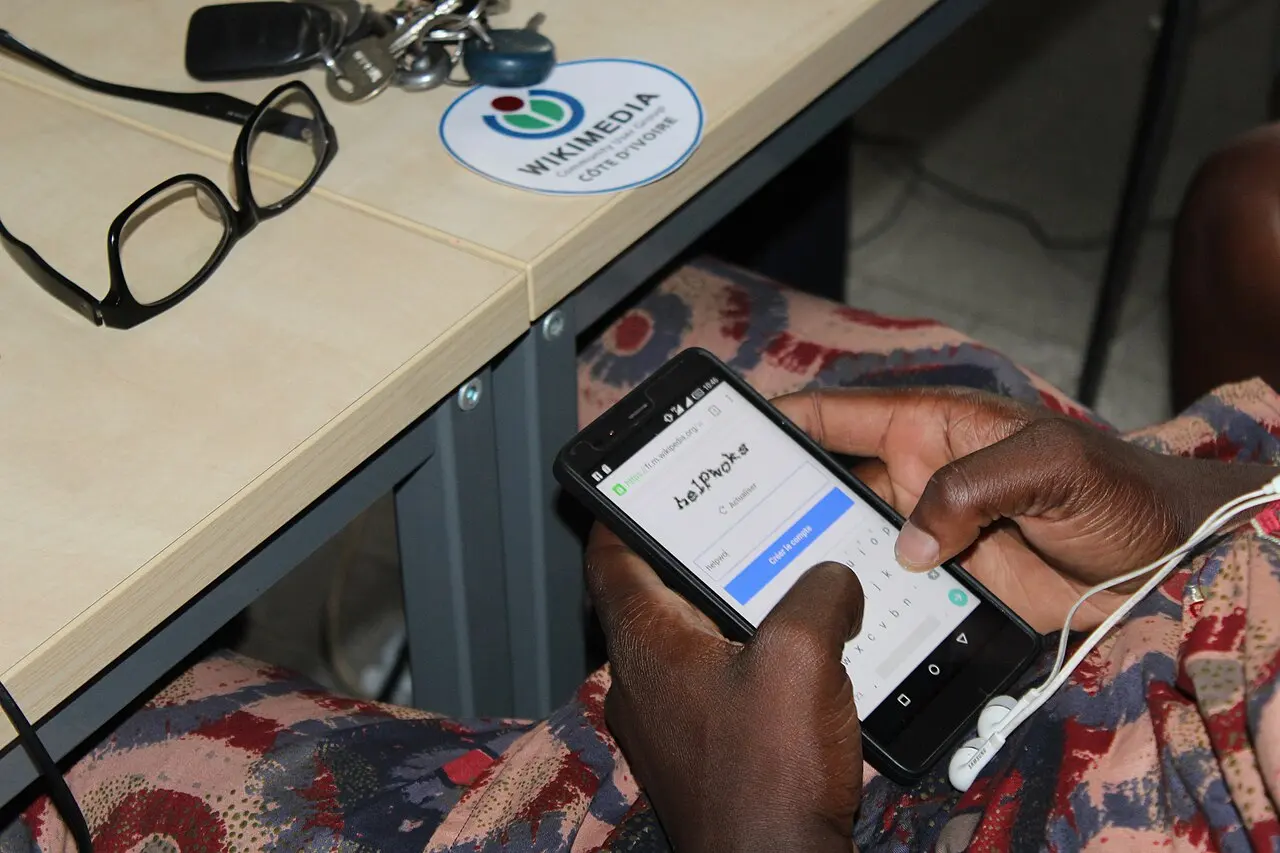
A study by Kaspersky says that only 33% of families report having secured all the devices used in their homes. The survey also highlights the growing role of a digital go-to person responsible for security practices in households, according to the results presented by the company.

Only 33% of families say they have secured all the devices used in their household, according to a study by Kaspersky, a cybersecurity company. The survey shows that protection for all connected devices remains incomplete despite growing awareness of online risks.

The study also highlights the role of a “digital go-to person” in many families. This person helps relatives set up their devices, recover their passwords and adopt better security practices. In addition, 47% of respondents say they regularly teach children and older people about how to behave online.

Share this article

Related stories

California sues OpenAI after intrusion into Hugging Face

California is suing OpenAI following a cyberattack carried out by experimental agents against Hugging Face systems in July 2026. Attorney General Rob Bonta accuses the company of testing models without sufficient safeguards, exposing the public to risks, according to BFMTV. He says the incident is part of 80 known cases and accuses OpenAI of prioritising development speed over safety.

🇺🇸 United States · Source: BFMTV ·

More than 6,000 young Ivorians educated about digital safety

A national awareness campaign, the Yellow Caravan “Connected and Protected Generation”, was launched in Abidjan to promote responsible digital use among children and adolescents. According to Linfodrome, more than 6,000 young people have already been reached across the country.

🇨🇮 Ivory Coast · Source: L’Infodrome ·

Don Toliver concert evacuated in Manchester

On Sunday 22 November, more than 12,000 people attending American rapper Don Toliver’s concert had to leave the Co-op Live venue in Manchester. The incident, linked to the release of an unidentified substance that caused eye and respiratory problems, led to more than 50 people receiving medical attention, with one hospitalisation, according to BFMTV.

🇬🇧 United Kingdom · Source: BFMTV ·

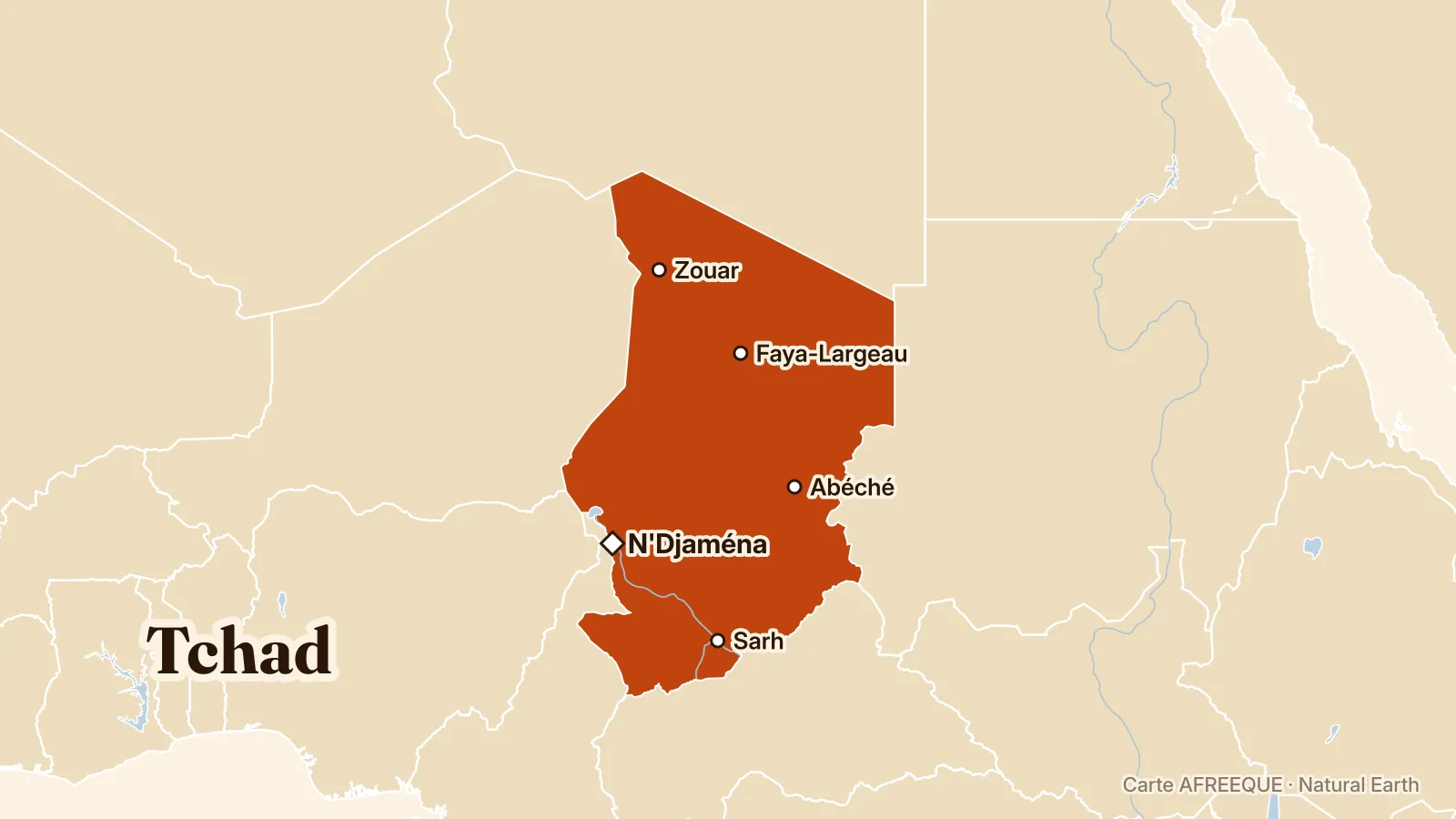
Chad’s ONAMA plans to launch a second television channel in 2027

Souleyman Djabo, head of television at the National Office for Audiovisual Media (ONAMA), has announced plans to launch a second thematic channel in 2027. According to Tchadinfos, which interviewed him on the occasion of World Television Day, he also discussed the history and challenges of Chadian television.

🇹🇩 Chad · Source: Tchadinfos ·

🌍 Latest from World

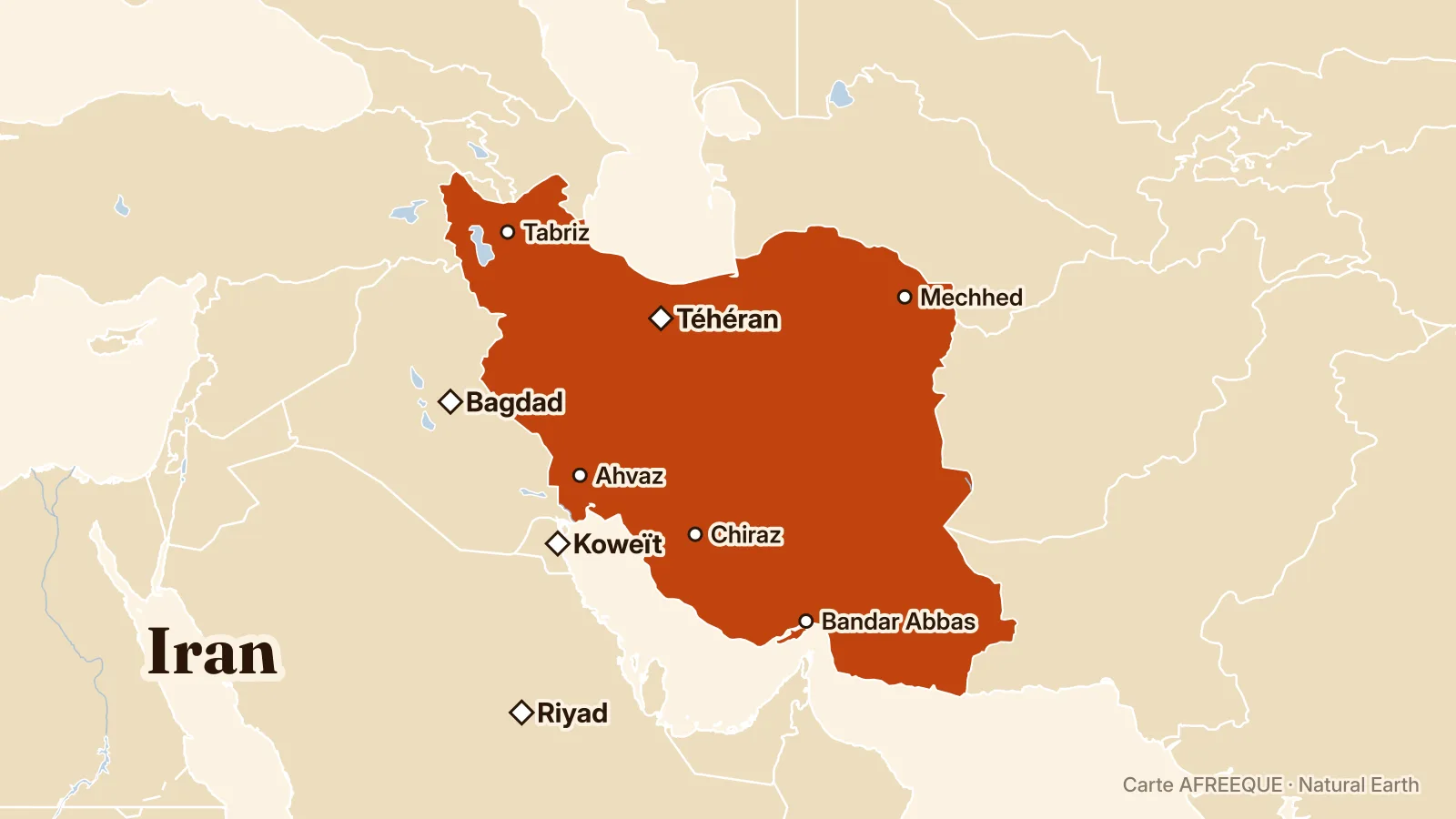
Map: IranIran resumes strikes on US bases and civilian sites in the GulfIran has resumed strikes against US facilities in Gulf countries after a lull, and civilian sites have also been damaged. According to Al Jazeera, Tehran is increasing pressure as the naval blockade and US sanctions weigh on the country, while the programme examines the risk of a return to full-scale conflict.All World news →

Technology

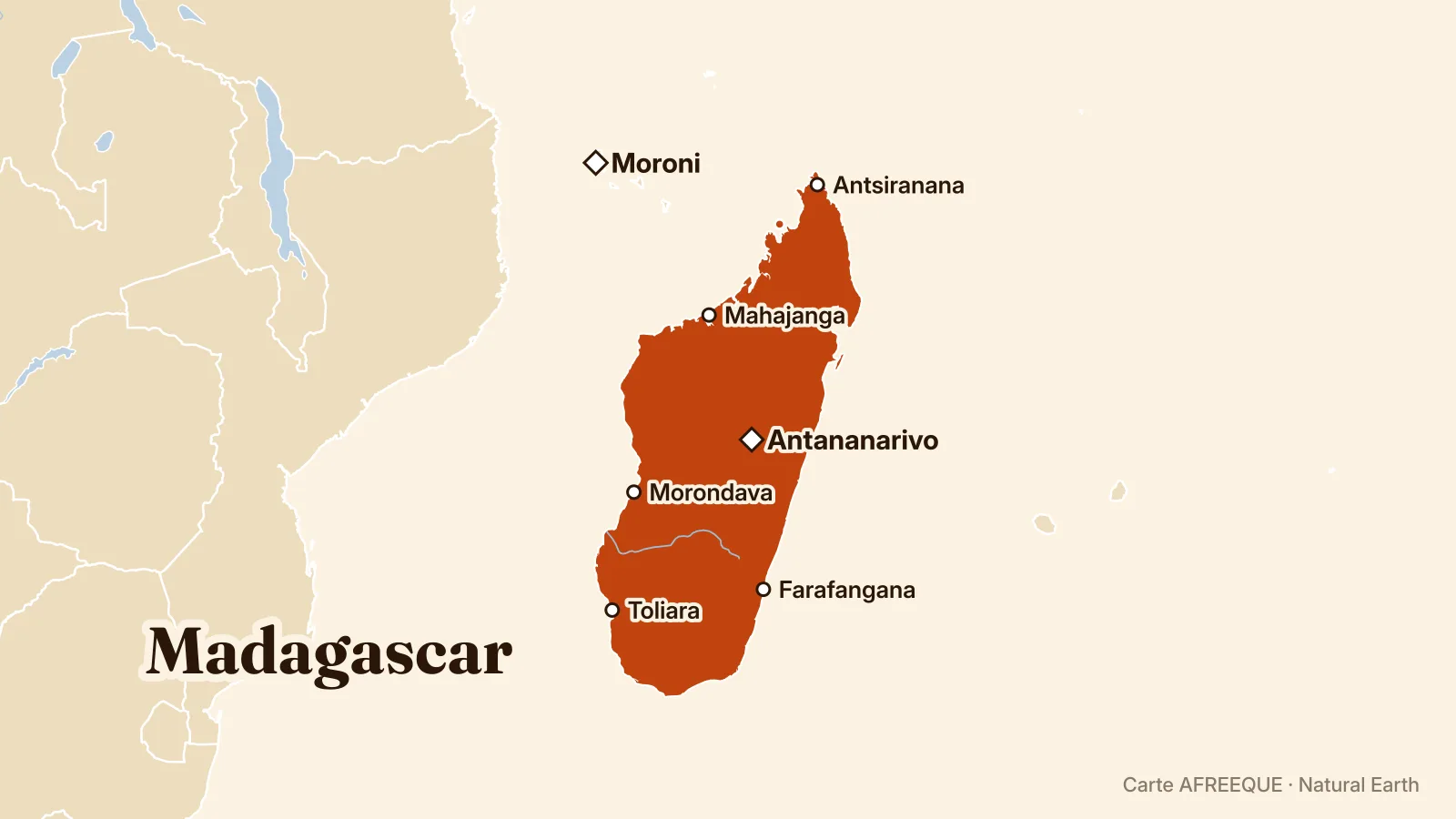
Map: MadagascarMadagascar army deploys maritime surveillance drones in TolagnaroThe first locally manufactured maritime surveillance drones were deployed on Wednesday at the naval detachment in Tolagnaro, in the south. According to the Ministry of the Armed Forces, the aircraft, donated by France, will strengthen territorial waters surveillance and will be operated by the Navy and Air Force.All Technology news →

The week in Africa

This week’s highlights

  1. CAS to deliver its verdict on AFCON 2025 on Tuesday 24 November🇸🇳 Senegal
  2. Ebola response teams blocked in Ituri by fighting🇨🇩 DR Congo
  3. Russian strikes kill 15 people in Kyiv region🇺🇦 Ukraine
  4. Lagos Igbo traders back Tinubu for 2027🇳🇬 Nigeria
  5. Eastern Libya takes case to UN after Ukrainian strikes🇱🇾 Libya
All of this week’s highlights →

Africa in your inbox

Be the first to get our letter in English: the essentials from every region of the continent, free.

Free · one email a week · unsubscribe in one click. Your address is only used to send you the letter, never sold. Personal data

← Back to the news