Gulf of Guinea: EU increases aid to 31 million euros
By the AFREEQUE newsroom, based on GabonActu
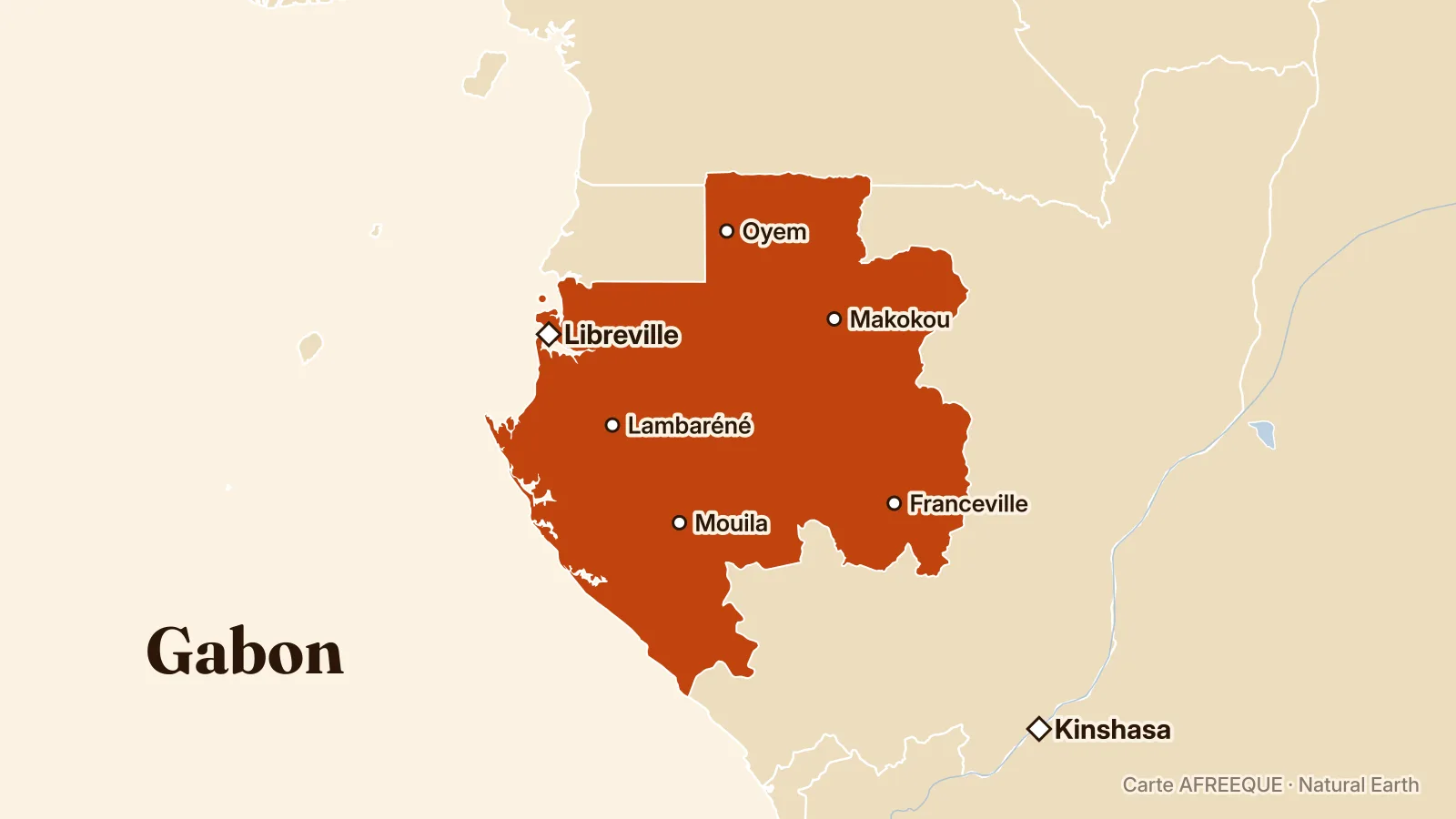
On 16 November, the Council of the European Union increased its support for the navies of coastal Gulf of Guinea states from 21 million to 31 million euros. The meeting, held in Libreville on 18 and 19 November with nearly 200 participants, aims to produce joint recommendations and a regional roadmap, according to the European Union Delegation to Gabon.
The European Union has increased its funding for the navies of coastal Gulf of Guinea countries from 21 million to 31 million euros. The additional funding was approved on 16 November 2026 by the Council of the European Union under the European Peace Facility, according to GabonActu. The EU ambassador to Gabon, Cécile Abadie, described this increase as a way to improve the operational capabilities of regional naval forces.
This support accompanies the 10th edition of the Gulf of Guinea Symposium of Chiefs of Naval Staff and Coast Guard Commanders, held on 18 and 19 November at the Palais des Congrès in Libreville, at the initiative of the Gabonese Navy. Nearly 200 participants, including members of naval forces and coastguard services from West and Central Africa, took part in the discussions. Talks focused on pooling equipment, the immediate sharing of maritime intelligence and the coordination of operations. The proceedings are expected to produce joint recommendations and a regional roadmap.
Cécile Abadie particularly stressed the need to turn cooperation mechanisms into concrete operational capabilities. She also highlighted the importance of intelligence sharing and judicial follow-up to offences committed at sea. On the sidelines of the meeting, delegations were invited aboard the French amphibious helicopter carrier Mistral on 20 November. The visit was intended to present the results of the Grand African Nemo naval exercises and the SIREN practical training programme on board.
Piracy and armed robbery at sea have declined since their peak in 2020, but several illegal activities continue to threaten regional maritime security. Illegal, unreported and unregulated fishing is estimated to cause annual losses of around 2 billion euros in the region, according to estimates by the FAO and Global Fishing Watch. Drug seizures at sea also reached a record level in 2025. These challenges affect nearly 9,000 kilometres of coastline, from Senegal to Angola.
This initiative builds on ongoing maritime cooperation efforts in Libreville. On 22 September 2026, 22 African states gathered in Libreville had already taken part in discussions on strengthening the monitoring of maritime areas.