



























Brexit: London and Brussels ease food export controls
By the AFREEQUE newsroom, based on BFMTV and Al Jazeera
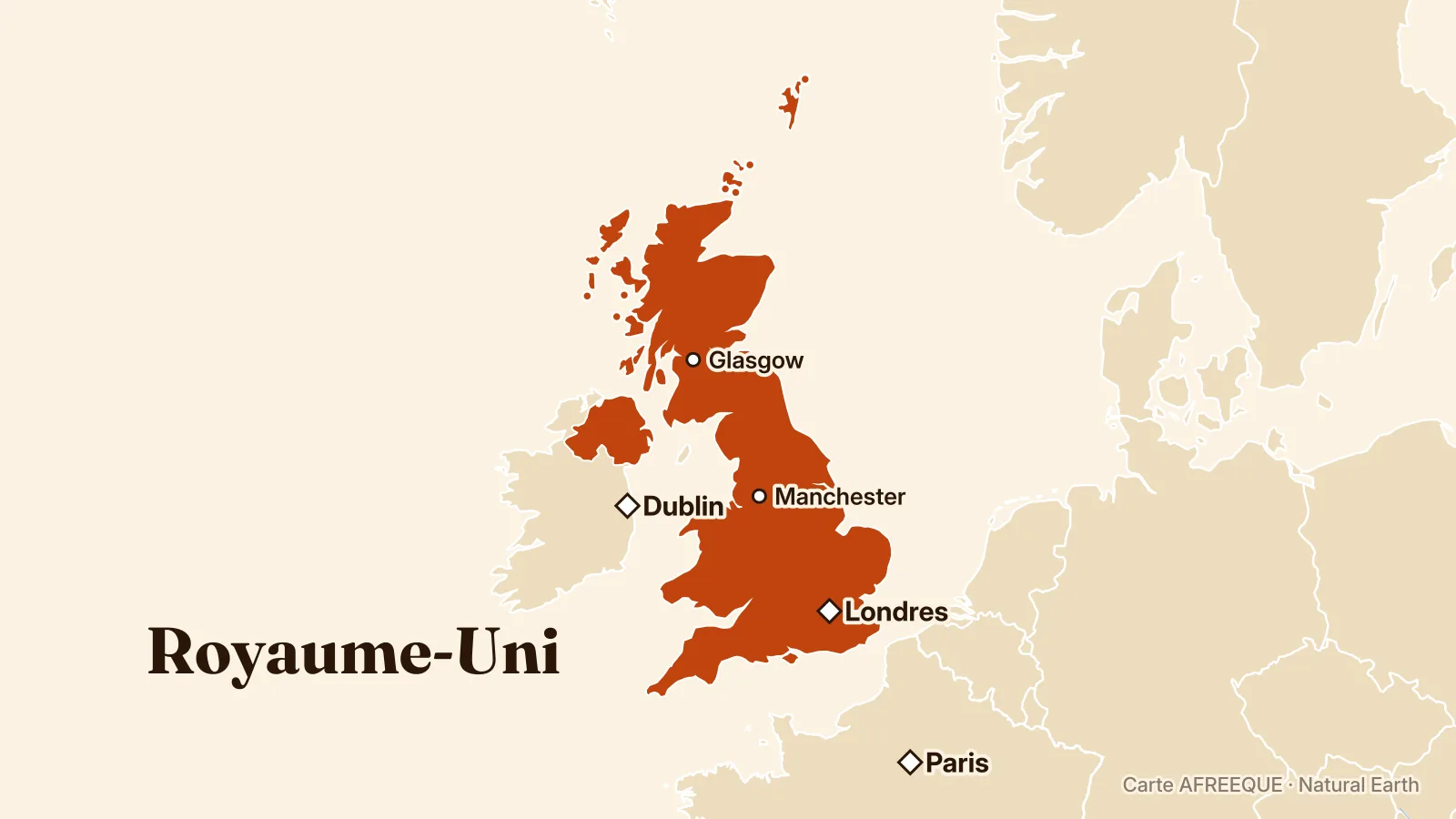
Ten years after the Brexit referendum, the United Kingdom and the European Union have reached a first agreement to ease controls on British food exports and strengthen their cooperation on youth mobility and carbon emission quotas, according to BFMTV. Both sides present the text as a first step towards closer ties, while the question of university tuition fees for European students remains unresolved.
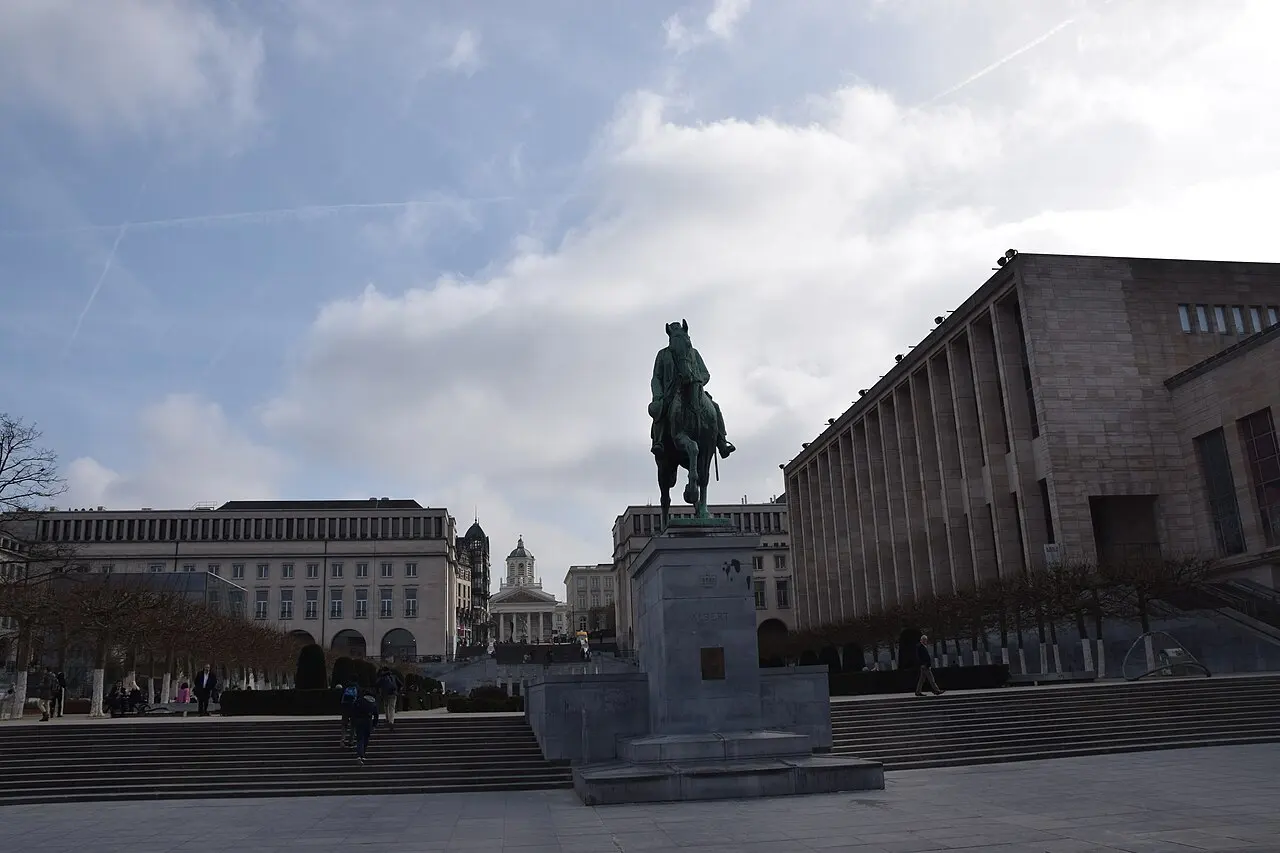
The United Kingdom and the European Union reached an agreement on Friday 20 November providing for eased controls on British food exports, as well as measures on youth mobility and carbon emission quotas, according to BFMTV. At a press conference in Brussels alongside European Commission President Ursula von der Leyen, British Prime Minister Andy Burnham presented the agreement as the first in a series of deals intended to restore ties between London and Brussels.
Andy Burnham said the measures helped to « rebuild bridges » broken since Brexit and described them as a « good deal for Britain ». They are seen as a first step towards closer ties with the European Union, without immediately reversing the United Kingdom’s departure from the bloc.
However, reducing tuition fees for European students at British universities remains a point of disagreement. Discussions at the Brussels summit failed to produce an agreement on this issue.
The rapprochement comes as opinion polls show changing attitudes towards the European Union. According to polling specialist John Curtice, a majority of people with a firm opinion now favour the United Kingdom rejoining the EU, although support for simply strengthening relations with the bloc remains more nuanced and the prospect of rejoining continues to divide the political class.