Atiku proposes targeted support amid fuel costs in Nigeria
By the AFREEQUE newsroom, based on Daily Post
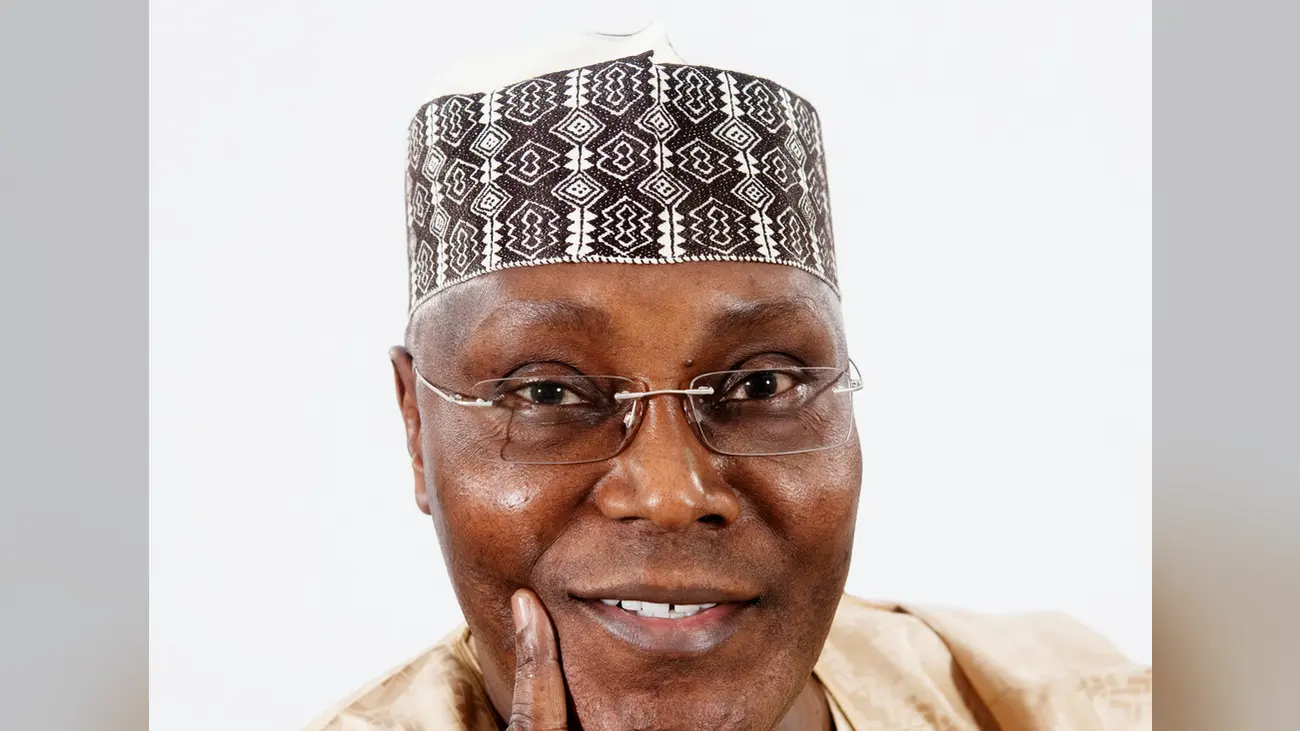
Atiku Abubakar, presidential candidate for the African Democratic Congress, accuses President Bola Tinubu of playing down the difficulties caused by rising fuel prices after subsidies were removed. He proposes targeted support for fuels refined in Nigeria, subject to independent monitoring, according to a statement from his campaign team cited by the Daily Post.
Atiku Abubakar, the African Democratic Congress (ADC) presidential candidate in Nigeria, has proposed targeted public support to lower the price of locally refined fuels. In a statement issued on Tuesday by Phrank Shaibu, the strategic communications director for his campaign team, he called for the support to be limited and budgeted, restricted to products refined in Nigeria and monitored by independent auditors.
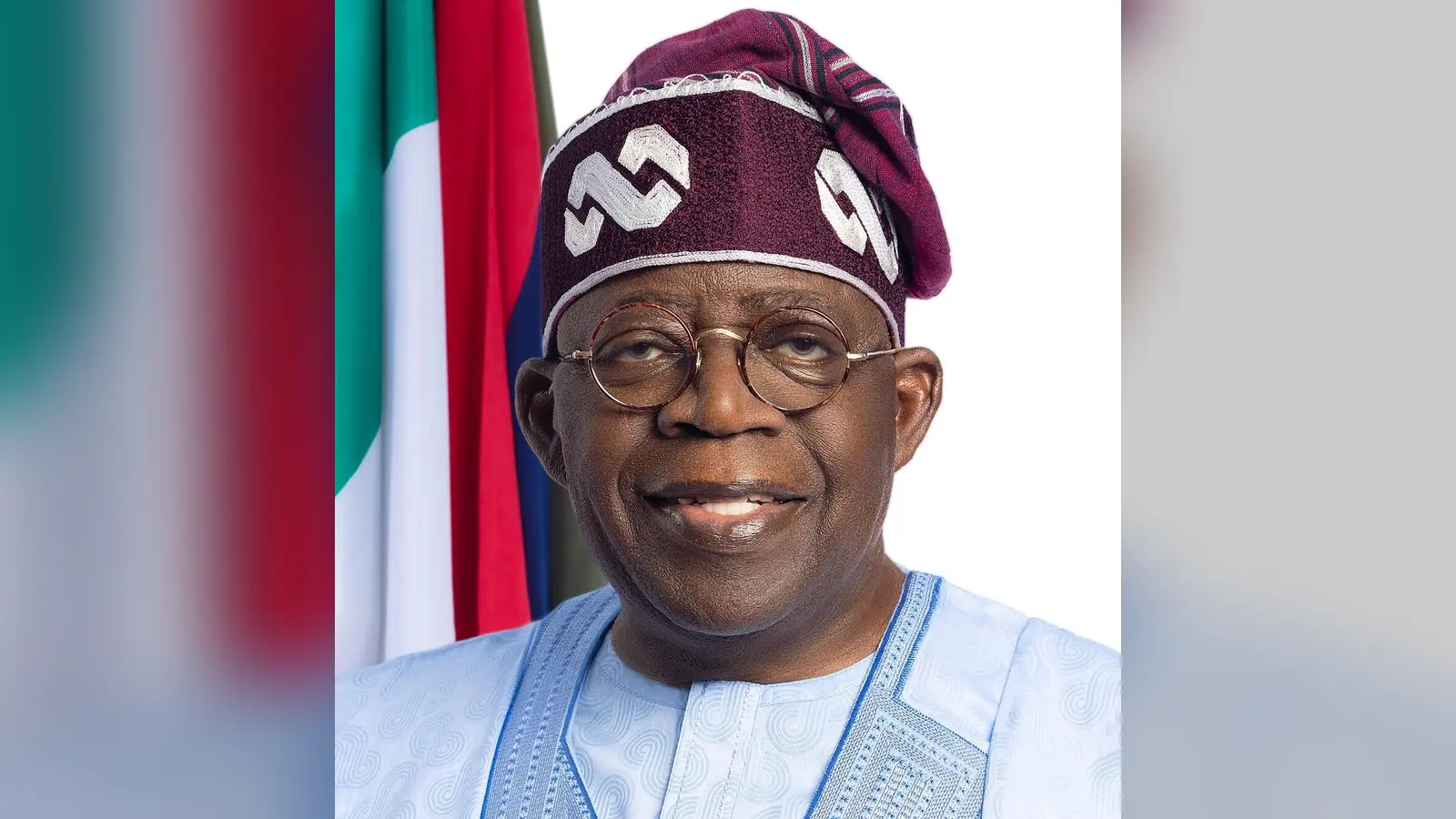
Atiku wants imported fuels excluded and wants to ensure that consumers benefit from the support through lower prices. He accused President Bola Tinubu of being out of touch with the difficulties facing households, which are dealing with rising transport and essential goods costs after the removal of the fuel subsidy. He criticised Tinubu’s comparison of the relief received after the measure with Moses’ return to Egypt.
The former vice-president also accused Tinubu of blaming his predecessor for the murders, kidnappings and attacks committed under his administration. He was responding to a remark by Tinubu’s campaign director-general, who had cited former President Muhammadu Buhari’s failure to eliminate insecurity, by recalling that former President Umaru Yar’Adua had faced security problems despite not coming from the military.
The proposal follows Atiku’s criticism of the cost of living since fuel subsidies ended. On 20 October, he had already accused Tinubu of making the situation worse. His criticism of the cost of living extends his attacks on the Nigerian president’s policies.
Summary produced with the help of artificial intelligence tools, under AFREEQUE’s editorial responsibility.